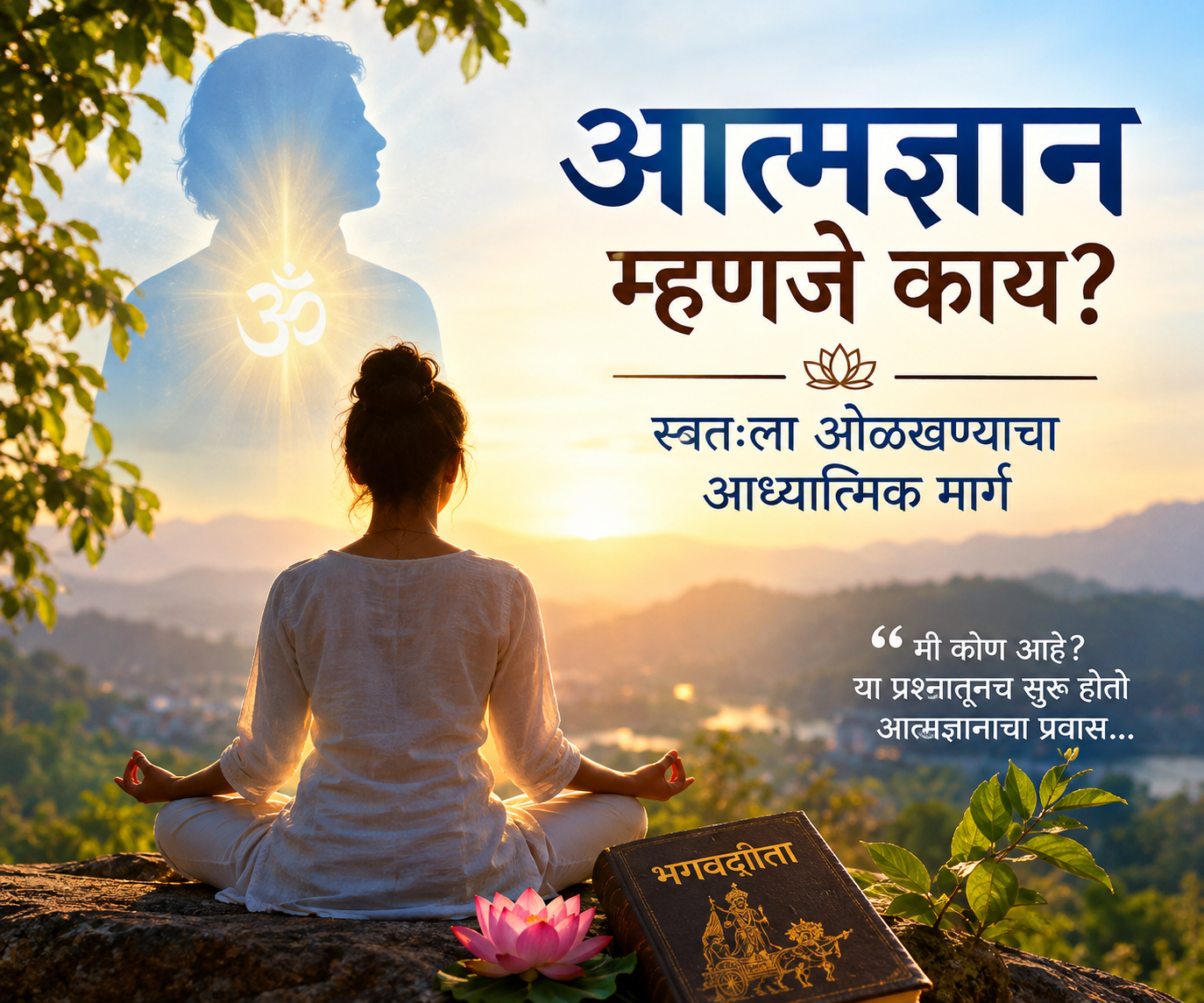
Benefits of Daily Meditation: A Simple Guide to a Peaceful Life
Oct 10, 2026 · 7 min read · 185 views

many people experience stress, anxiety, negative thoughts, and a lack of inner peace. Our minds are constantly occupied with work, family responsibilities, and everyday challenges. In such situations, daily meditation can become a simple and powerful practice for bringing calmness, balance, and positivity into life.
Meditation is an ancient practice that helps us understand our thoughts, improve concentration, and connect with our inner selves. In Indian spiritual traditions, meditation has been an important part of personal growth and self-realization for thousands of years.
You do not need special equipment or a particular place to meditate. Just a few minutes of quiet time every day can help you develop a peaceful and mindful lifestyle.
What Is Meditation?
Meditation is a practice of training the mind to focus on the present moment. It involves observing your thoughts, paying attention to your breathing, or repeating a mantra with awareness.
Meditation does not mean stopping every thought in your mind. Instead, it teaches you to observe your thoughts without becoming overwhelmed by them.
In Sanatan Dharma, meditation is associated with self-discipline, spiritual awareness, and the journey toward understanding the true nature of the self. Practices such as mantra meditation, breath awareness, and mindfulness can help people develop a deeper connection with themselves.
1. Reduces Stress and Promotes Relaxation
One of the most well-known benefits of meditation is its ability to help people manage stress. When we sit quietly and focus on our breathing, we give ourselves an opportunity to slow down and become more aware of the present moment.
Regular meditation may help reduce feelings of stress and support emotional well-being. It can also help us respond to challenging situations more calmly.
Even five to ten minutes of meditation each day can be a useful starting point for developing a relaxing daily routine.
2. Improves Focus and Concentration
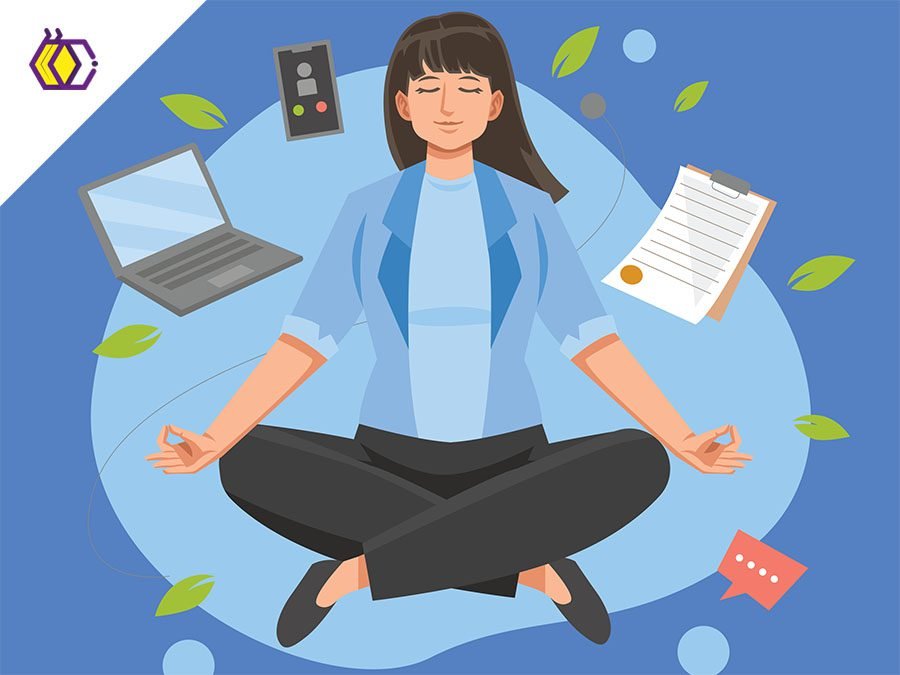
In everyday life, distractions can make it difficult to concentrate on important tasks. Meditation trains the mind to return its attention to one chosen point, such as the breath or a mantra.
With consistent practice, this skill may help you become more aware of distractions and improve your ability to focus.
Students, working professionals, parents, and anyone who wants to become more mindful can include meditation in their daily routine.
3. Encourages Positive Thinking

Meditation helps us notice our thoughts and emotional reactions. Instead of immediately reacting to every negative thought, we can learn to pause and consider a more balanced response.
This practice may encourage patience, gratitude, and a healthier perspective on life's challenges.
Positive thinking does not mean ignoring problems. It means facing difficulties with awareness, courage, and a willingness to find solutions.
4. Supports Emotional Well-Being
Our emotions influence how we communicate with others and respond to daily experiences. Meditation provides an opportunity to understand these emotions instead of reacting automatically.
A regular meditation practice may help some people manage everyday emotional difficulties and develop greater self-awareness.
Over time, meditation can become a helpful part of a broader self-care routine that includes adequate sleep, physical activity, healthy relationships, and appropriate professional support when needed.
5. May Improve Sleep Quality

Many people find it difficult to relax at night because they keep thinking about the day's events or tomorrow's responsibilities.
A short meditation session before bedtime may help calm the mind and create a relaxing transition to sleep. Gentle breathing and body-awareness exercises can be especially useful for people who find it difficult to switch off from daily worries.
Meditation is not a guaranteed treatment for sleep disorders, but it may support a healthier bedtime routine.
6. Develops Patience and Self-Control

Meditation teaches us to pause, observe, and respond thoughtfully. This can be especially helpful when we feel angry, frustrated, or impatient.
For example, when someone says something upsetting, taking a slow breath before responding may help us avoid unnecessary arguments.
By practising mindfulness regularly, we can become more aware of our habits and gradually develop better emotional control.
7. Strengthens Spiritual Awareness
In Sanatan Dharma, meditation is an important practice for inner reflection and spiritual development.
Many spiritual seekers meditate to deepen their connection with God, understand the mind, and cultivate qualities such as compassion, humility, and devotion.
Mantra meditation is one approach. A person may quietly repeat a sacred mantra, such as “Om,” or chant “Shri Swami Samarth” with devotion and concentration.
The purpose is not simply to repeat words but to practise awareness, sincerity, and inner stillness.
Spiritual experiences differ from person to person, and meditation should be approached with patience rather than expectations of immediate results.
8. Encourages Mindfulness in Daily Life

Mindfulness means paying attention to the present moment instead of constantly worrying about the past or future.
Meditation can help us bring this awareness into ordinary activities, such as eating, walking, listening to family members, or completing household tasks.
When we become more present, we may notice small moments of happiness that we previously overlooked.
A peaceful life does not depend only on having everything we want. Sometimes, it begins with learning to appreciate what we already have.
How to Start Daily Meditation
Beginners can follow these simple steps:
1. Choose a quiet place: Find a comfortable place where you can sit without unnecessary distractions.
2. Sit comfortably: Keep your back naturally upright and relax your shoulders.
3. Close your eyes if comfortable: You may also keep your eyes gently open.
4. Focus on your breathing: Notice the natural movement of each inhalation and exhalation.
5. Observe your thoughts: When your mind wanders, gently bring your attention back to your breath.
6. Try mantra meditation: If it suits your beliefs, repeat a sacred mantra silently or softly.
7. Start with five minutes: Begin with a short session and gradually increase the duration if comfortable.
8. Practise consistently: Choose a time that fits your routine, such as the morning or evening.
Remember, there is no need to judge yourself if your mind wanders. Returning your attention to the present moment is part of the practice.
Best Time to Meditate
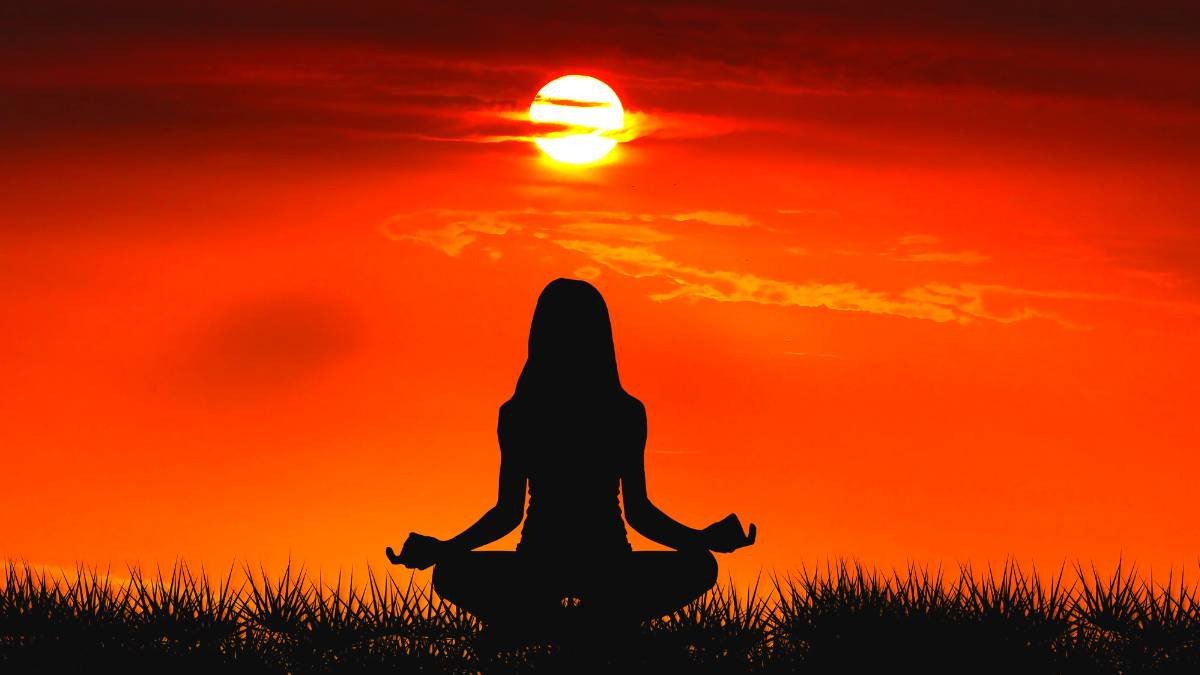
Many people prefer meditating early in the morning because the environment may be quieter and there are fewer distractions. Others prefer the evening because it helps them relax after a busy day.
There is no single perfect time for everyone. The best time is the one you can follow consistently.
You can meditate for five to ten minutes at first and gradually develop a routine that feels comfortable.
Conclusion
Daily meditation is a simple practice that may support stress management, concentration, emotional well-being, better sleep habits, and spiritual awareness.
You do not need to change your entire life to begin. Start with a few quiet minutes, breathe naturally, and allow yourself to become more aware of the present moment.
In the spiritual traditions of Sanatan Dharma, inner peace and self-awareness are valuable parts of the journey toward personal growth. With patience and regular practice, meditation can become a meaningful part of everyday life.
Start today with just five minutes of meditation and take a small step toward a calmer, more mindful life.
Frequently Asked Questions (FAQs)
1. What are the main benefits of daily meditation?
Daily meditation may help manage stress, improve focus, support emotional well-being, encourage mindfulness, and develop spiritual awareness.
2. How long should beginners meditate each day?
Beginners can start with five minutes daily and gradually increase the duration according to their comfort.
3. Is morning the best time for meditation?
Morning is a popular choice, but meditation can be practised at any convenient time when you can focus comfortably.
4. Can I meditate by chanting a mantra?
Yes. Mantra meditation involves repeating a sacred word or phrase with attention and devotion. For example, devotees may chant “Om” or “Shri Swami Samarth.”
5. Does meditation stop negative thoughts?
Meditation does not necessarily stop negative thoughts. It helps you notice them and practise responding with greater awareness rather than reacting automatically.
6. Is meditation part of Sanatan Dharma?
Yes. Meditation has an important place in many traditions and spiritual practices associated with Sanatan Dharma, including yoga, mantra chanting, and self-reflection.