Ganpatipule Temple, Maharashtra: History, Significance, Darshan and Travel Guide
Oct 28, 2026 · 7 min read · 115 views
Introduction to Ganpatipule Temple
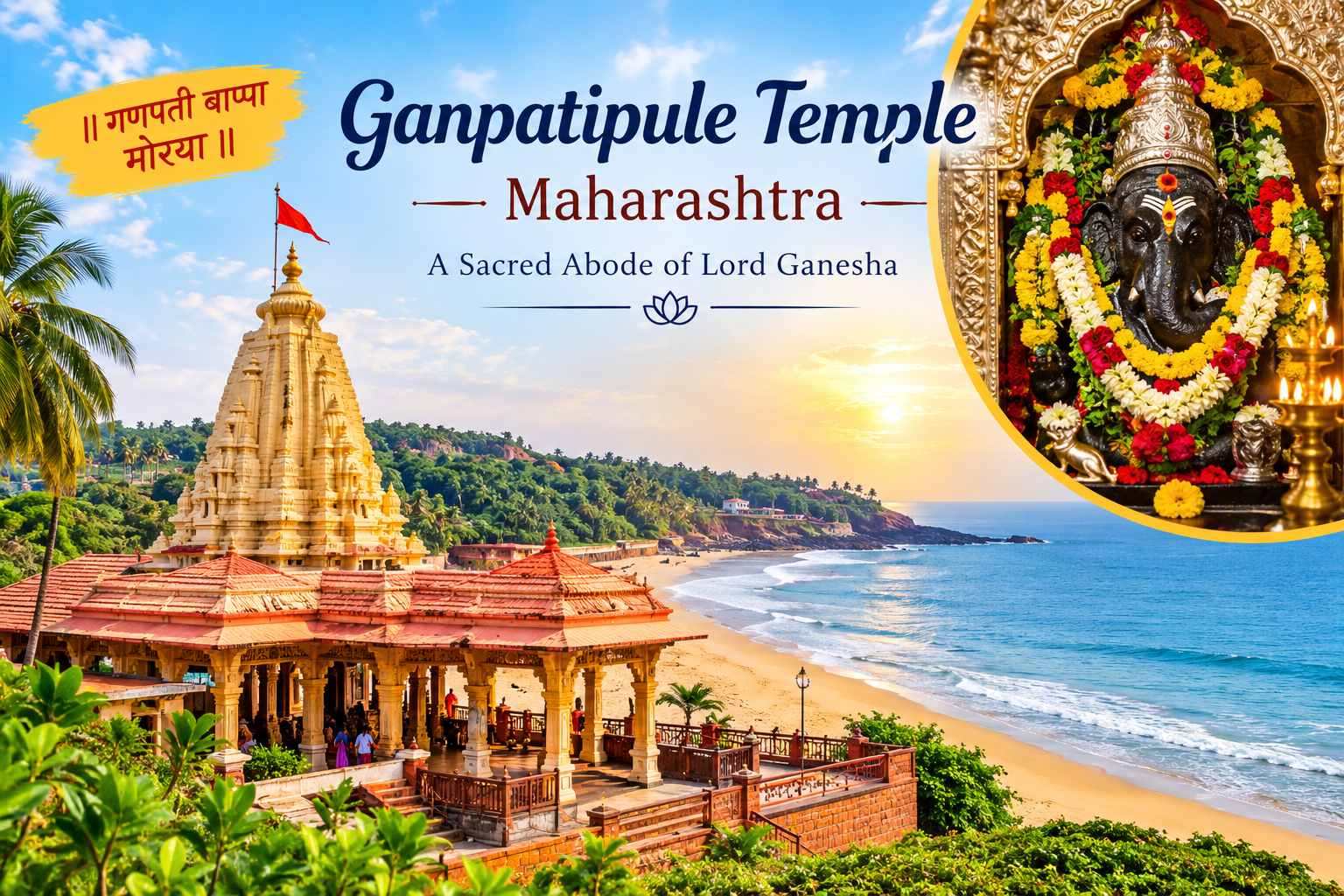
Ganpatipule Temple is one of the most famous Hindu pilgrimage destinations in Maharashtra, India. Dedicated to Lord Ganesha, the temple is situated in the beautiful coastal town of Ganpatipule in Ratnagiri district. Surrounded by the Arabian Sea, golden beaches, and lush greenery, this sacred place offers a peaceful atmosphere for devotees and visitors.
Lord Ganesha is worshipped as the remover of obstacles, the god of wisdom, and the deity of new beginnings. Devotees visit this holy temple to seek His blessings for happiness, prosperity, success, and peace in their lives.
The combination of spiritual significance and natural beauty makes Ganpatipule Temple a special destination for pilgrims, families, and tourists.
History of Ganpatipule Temple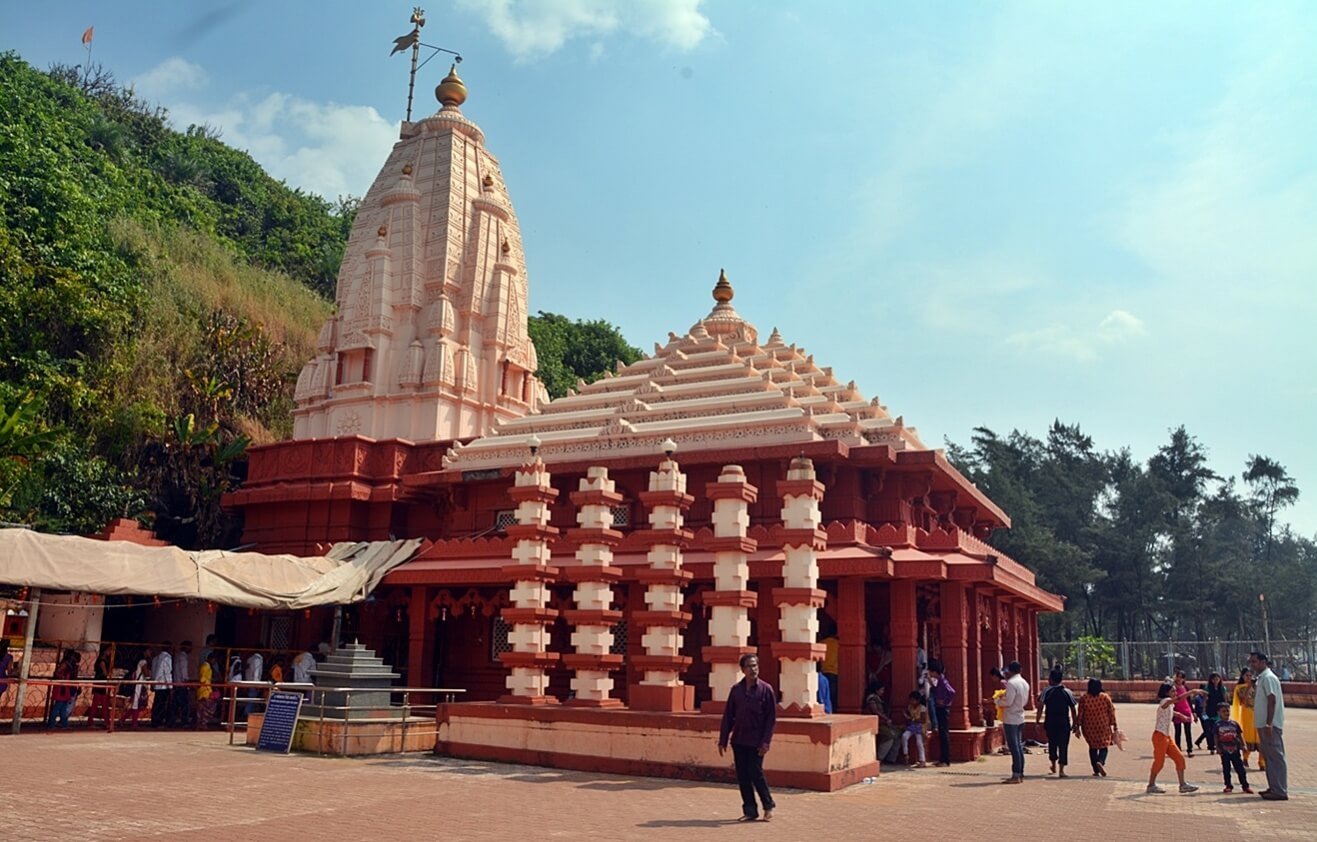
Ganpatipule Temple has a long-standing religious tradition and is closely associated with local Hindu beliefs and legends. According to popular tradition, Lord Ganesha manifested himself at this sacred location, making it an important place of worship.
The temple is particularly known for its naturally formed image of Lord Ganesha, which devotees regard as a sacred and self-manifested form, known as Swayambhu.
Unlike many temples where the deity faces east, the Ganesha idol at Ganpatipule is traditionally described as facing west, toward the Arabian Sea. This distinctive feature adds to the temple's religious importance.
Over the years, the temple has attracted devotees from Maharashtra and many other parts of India. Its peaceful surroundings and deep-rooted spiritual traditions continue to inspire visitors.
Religious Significance of Ganpatipule Temple
Lord Ganesha holds a special place in Hinduism. He is worshipped before beginning important activities, religious ceremonies, marriages, and new ventures.
Ganpatipule Temple is considered an auspicious place to pray to Lord Ganesha and seek His blessings.
The temple is associated with several spiritual beliefs:
- Removal of obstacles: Devotees pray to Lord Ganesha for strength and guidance when facing difficulties.
- Wisdom and knowledge: Students and learners seek His blessings for concentration and success.
- Peace and happiness: Many visitors come to experience spiritual calmness and positive thoughts.
- New beginnings: Devotees offer prayers before starting important journeys and activities.
- Faith and devotion: Worship at the temple allows people to express gratitude and strengthen their spiritual connection.
For devotees, visiting Ganpatipule is not merely a sightseeing experience. It is an opportunity to pause, pray, and reconnect with faith.
Unique Features of Ganpatipule Temple
1. Swayambhu Lord Ganesha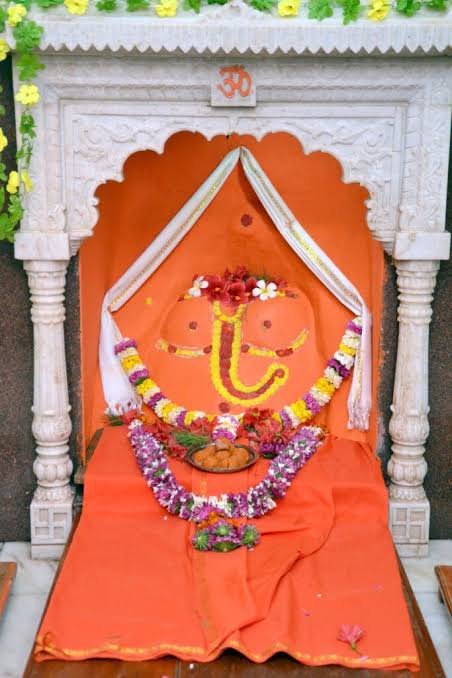
One of the most distinctive aspects of the temple is the sacred natural formation worshipped as Lord Ganesha. Devotees believe that this divine form appeared naturally rather than being created by human hands.
2. West-Facing Deity
The deity's west-facing orientation is an important feature of the temple. It distinguishes Ganpatipule from many other famous Ganesha temples.
3. Beautiful Coastal Location
The temple stands close to the Arabian Sea. The surrounding coastline creates a peaceful setting for prayer, reflection, and relaxation.
4. Traditional Worship and Festivals
Daily worship and special religious celebrations attract devotees throughout the year. Ganesh Chaturthi is an especially important occasion for Lord Ganesha's followers.
Ganesh Chaturthi at Ganpatipule Temple
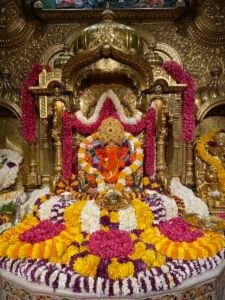
Ganesh Chaturthi is one of the most significant festivals dedicated to Lord Ganesha. The festival celebrates His birth and is observed with prayers, devotional songs, offerings, and religious ceremonies.
At Ganpatipule, the festival holds special importance because the temple is dedicated to Lord Ganesha.
Devotees visit to offer prayers, seek blessings, and participate in the devotional atmosphere. The festival reflects the rich cultural and religious traditions of Maharashtra.
Visitors planning a trip during major festivals should expect larger crowds and should check local arrangements before travelling.
Best Time to Visit Ganpatipule Temple
Ganpatipule can be visited throughout the year, but the experience varies by season.
October to February: These months generally offer pleasant weather and are suitable for temple visits and exploring the surrounding area.
March to May: The weather can be hot, so visitors should carry water, wear comfortable clothing, and plan outdoor activities accordingly.
June to September: The monsoon season brings lush greenery and beautiful coastal scenery. However, heavy rain and rough sea conditions may affect travel and beach activities.
The winter months are often a comfortable choice for families and pilgrims.
Ganpatipule is located in Ratnagiri district on Maharashtra's Konkan coast.
By Road
Ganpatipule is connected by road to Ratnagiri and other towns in the Konkan region. Visitors can travel by private vehicle, taxi, or available bus services.
By Train
Ratnagiri is the nearest major railway station commonly used by visitors. From Ratnagiri, travellers can continue to Ganpatipule by road.
By Air
Travellers can explore flight options to suitable airports serving the region and then continue by road. Check current routes and transport availability before planning your journey.
Since travel schedules and local transport options may change, confirm the latest details before departure.
Places to Visit Near Ganpatipule Temple
Visitors can explore several attractions around Ganpatipule.
1. Ganpatipule Beach

Ganpatipule Beach is known for its coastal scenery and sandy shoreline. Visitors can enjoy the views while following local safety instructions.
2. Prachin Konkan
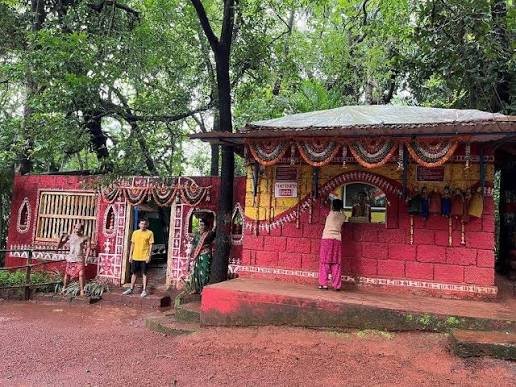
Prachin Konkan is an open-air cultural and heritage attraction that introduces visitors to the traditional lifestyle, customs, and history of the Konkan region.
3. Ratnagiri
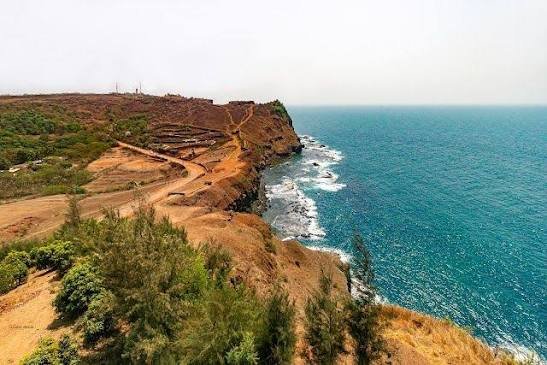
Ratnagiri is a coastal town known for its historical attractions, natural scenery, and regional culture.
4. Aare-Ware Coastal Route
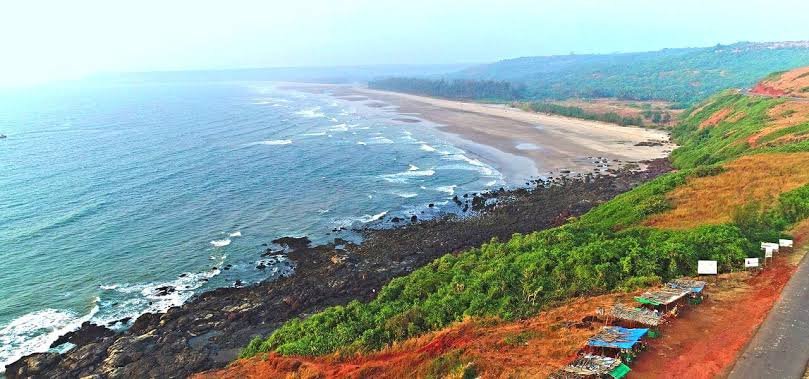
The Aare-Ware coastal stretch is admired for its scenic sea views and winding coastal roads. Visitors should drive carefully and use designated stopping areas.
These attractions can make a visit to Ganpatipule a memorable spiritual and cultural journey.
Spiritual Lessons from Ganpatipule Temple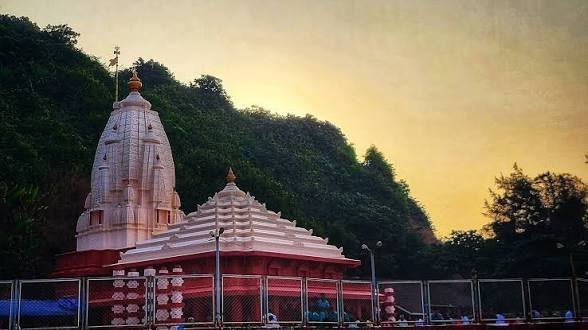
A visit to Ganpatipule Temple reminds devotees of the importance of faith, patience, and humility.
Believe in new beginnings: Lord Ganesha symbolizes auspicious beginnings. Every day offers an opportunity to learn, improve, and move forward.
Face difficulties with courage: Challenges are part of life. Prayer and reflection can provide comfort and encourage a positive outlook.
Practice gratitude: Taking time to appreciate life's blessings can bring greater peace and contentment.
Find peace through devotion: Spiritual practices help many people slow down, reflect on their actions, and reconnect with their inner values.
The temple's peaceful coastal surroundings also encourage visitors to appreciate the beauty of nature.
Important Tips for Visitors
- Dress respectfully when visiting the temple.
- Check the latest temple opening hours before travelling.
- Follow the temple's rules regarding photography and offerings.
- Keep the temple premises and surrounding beach clean.
- Avoid entering the sea during rough weather or when warnings are in place.
- Plan extra travel time during festivals and public holidays.
- Respect local customs and religious traditions.
Frequently Asked Questions (FAQ)
1. Where is Ganpatipule Temple located?
Ganpatipule Temple is located in Ganpatipule town in Ratnagiri district, Maharashtra, India.
2. Which god is worshipped at Ganpatipule Temple?
Lord Ganesha, the Hindu deity associated with wisdom, auspicious beginnings, and the removal of obstacles, is worshipped at the temple.
3. Why is Ganpatipule Temple famous?
The temple is famous for its sacred Swayambhu form of Lord Ganesha, its west-facing deity, and its beautiful location near the Arabian Sea.
4. What is the best time to visit Ganpatipule?
October to February is generally a comfortable period to visit because the weather is often pleasant.
5. Which railway station is nearest to Ganpatipule?
Ratnagiri Railway Station is a commonly used railway station for reaching Ganpatipule. Visitors can continue by road.
6. Is Ganpatipule Temple suitable for a family trip?
Yes. Families can visit the temple and explore nearby attractions. Visitors should plan according to their needs, the weather, and local safety conditions.
7. Which festival is especially important at Ganpatipule Temple?
Ganesh Chaturthi is an important festival dedicated to Lord Ganesha and is celebrated with devotion at the temple.
Conclusion
Ganpatipule Temple is a beautiful combination of spirituality, faith, and the natural beauty of Maharashtra's Konkan coast. Dedicated to Lord Ganesha, the temple holds a special place in the hearts of devotees who come seeking blessings, peace, and guidance.
Its sacred traditions, distinctive west-facing deity, and peaceful coastal surroundings make it an important pilgrimage destination.
Whether you visit for religious reasons, cultural exploration, or a peaceful family journey, Ganpatipule offers an opportunity to experience the spiritual heritage of Maharashtra.
May Lord Ganesha bless everyone with wisdom, happiness, prosperity, and success.
Ganpati Bappa Morya! Mangal Murti Morya!