Grishneshwar Jyotirlinga, Maharashtra: History, Significance, Temple Timings, and Travel Guide
Oct 25, 2026 · 8 min read · 90 views
Introduction
Grishneshwar Jyotirlinga is one of the most sacred Hindu temples dedicated to Lord Shiva. Located near Ellora in the Chhatrapati Sambhajinagar district of Maharashtra, India, this ancient temple holds a special place in Hindu religious traditions. It is revered as the twelfth and last of the twelve Jyotirlingas of Lord Shiva.
Every year, thousands of devotees visit Grishneshwar Temple to seek the blessings of Lord Shiva, offer prayers, and experience the spiritual atmosphere of this holy place.
The temple is also an important destination for pilgrims, history enthusiasts, and travelers interested in India's rich cultural and religious heritage.
1. Where Is Grishneshwar Jyotirlinga Located?
Grishneshwar Jyotirlinga is situated in Verul village, near the famous Ellora Caves in Maharashtra, India.
The temple is surrounded by a region known for its ancient architecture, historical monuments, and religious significance. Its location near Ellora makes it an ideal destination for devotees who wish to combine a spiritual pilgrimage with a visit to one of India's most remarkable historical sites.
Temple Location Details:
- Temple Name: Grishneshwar Jyotirlinga Temple
- Location: Verul (Ellora), Maharashtra, India
- Dedicated To: Lord Shiva
- Religious Significance: One of the twelve Jyotirlingas
- Temple Architecture: Traditional Hemadpanthi-influenced stone architecture
- Nearest Major City: Chhatrapati Sambhajinagar (Aurangabad)
2. History of Grishneshwar Jyotirlinga Temple

Grishneshwar Temple has a long history connected with Hindu religious traditions. The present temple structure is associated with the Maratha period and is traditionally linked to the patronage of Queen Ahilyabai Holkar, who supported the restoration and reconstruction of several important Hindu temples.
The temple has undergone restoration and renovation over the centuries. Its stone construction, sculpted pillars, and beautifully carved walls reflect the craftsmanship of traditional Indian temple architecture.
The temple's historical importance is enhanced by its proximity to the Ellora Caves, a UNESCO World Heritage Site famous for its ancient Buddhist, Hindu, and Jain monuments.
Grishneshwar remains an important center of Shaivism, the tradition of Hinduism devoted to Lord Shiva.
3. The Legend of Grishneshwar Jyotirlinga
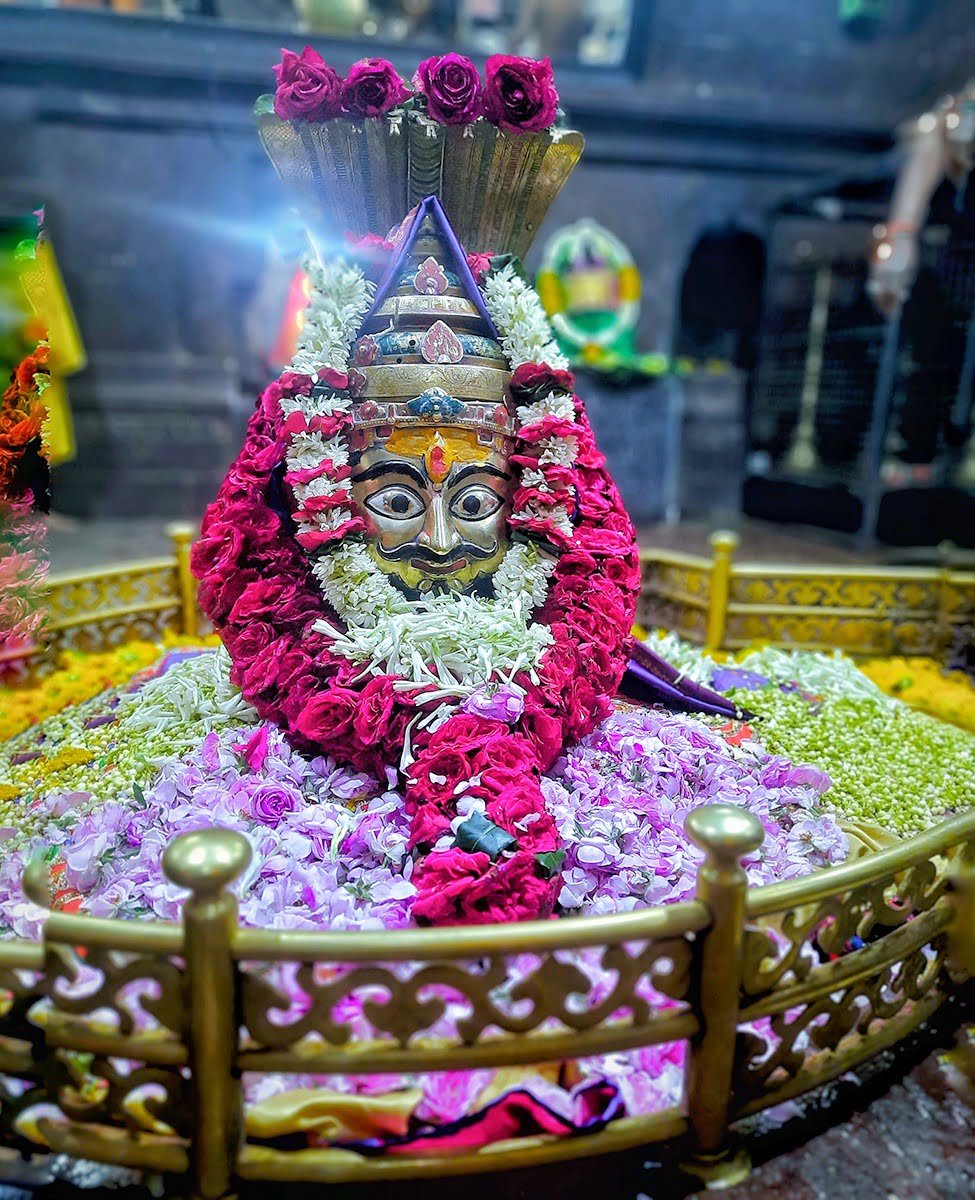
According to a popular Hindu legend associated with the Shiva Purana, a devoted woman named Ghushma worshipped Lord Shiva with deep faith and devotion.
She regularly made Shiva Lingas, worshipped them, and immersed them in a nearby body of water as part of her religious practice.
According to the story, Ghushma faced a terrible personal tragedy but continued to trust Lord Shiva. Impressed by her unwavering devotion, Lord Shiva appeared before her and restored her son to life.
Ghushma requested Lord Shiva to remain at that sacred place for the welfare of devotees. Lord Shiva accepted her prayer and manifested himself as a Jyotirlinga.
This sacred manifestation became known as Ghushmeshwar or Grishneshwar.
The legend teaches an important spiritual lesson: sincere devotion, patience, and faith can provide strength during life's most difficult moments.
Note: This is a religious legend preserved in Hindu tradition.
4. Religious Significance of Grishneshwar Jyotirlinga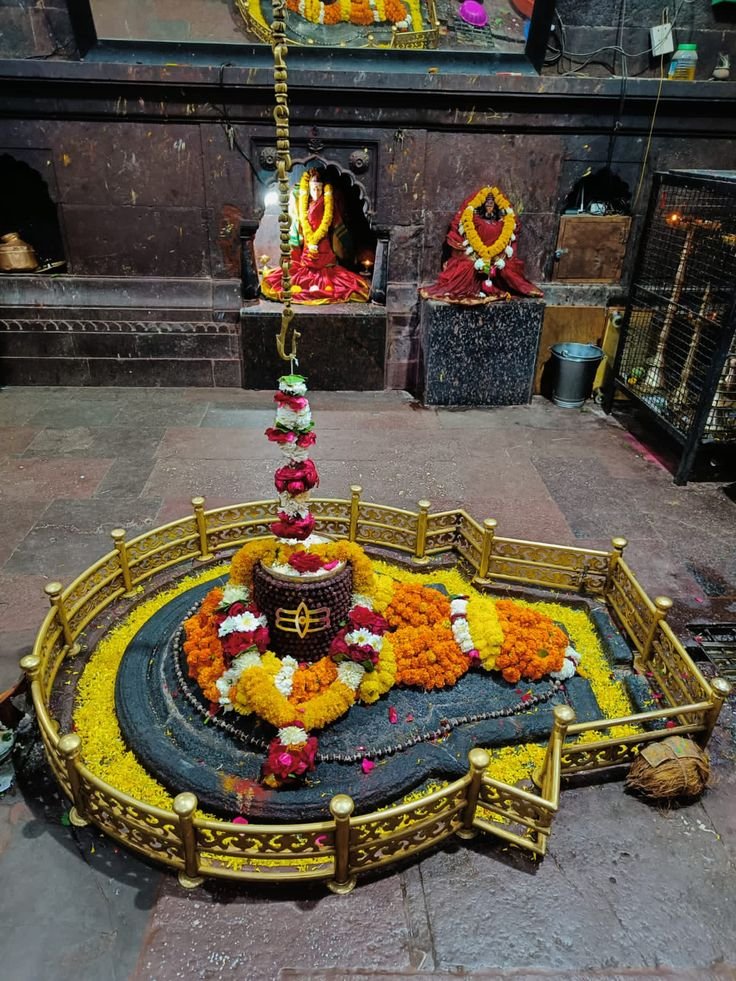
Grishneshwar Jyotirlinga is considered highly sacred by devotees of Lord Shiva.
According to Hindu belief, the twelve Jyotirlingas represent sacred manifestations of Lord Shiva. Pilgrims visit these temples to express their devotion, seek spiritual peace, and deepen their connection with the divine.
Grishneshwar is especially important because it is traditionally recognized as the twelfth Jyotirlinga.
Devotees visit the temple throughout the year, particularly during the holy month of Shravan and on the occasion of Maha Shivaratri.
Many pilgrims offer prayers for happiness, prosperity, good health, family well-being, and spiritual growth.
The temple reminds devotees of the importance of faith, humility, and surrender to the divine.
5. Architecture of Grishneshwar Temple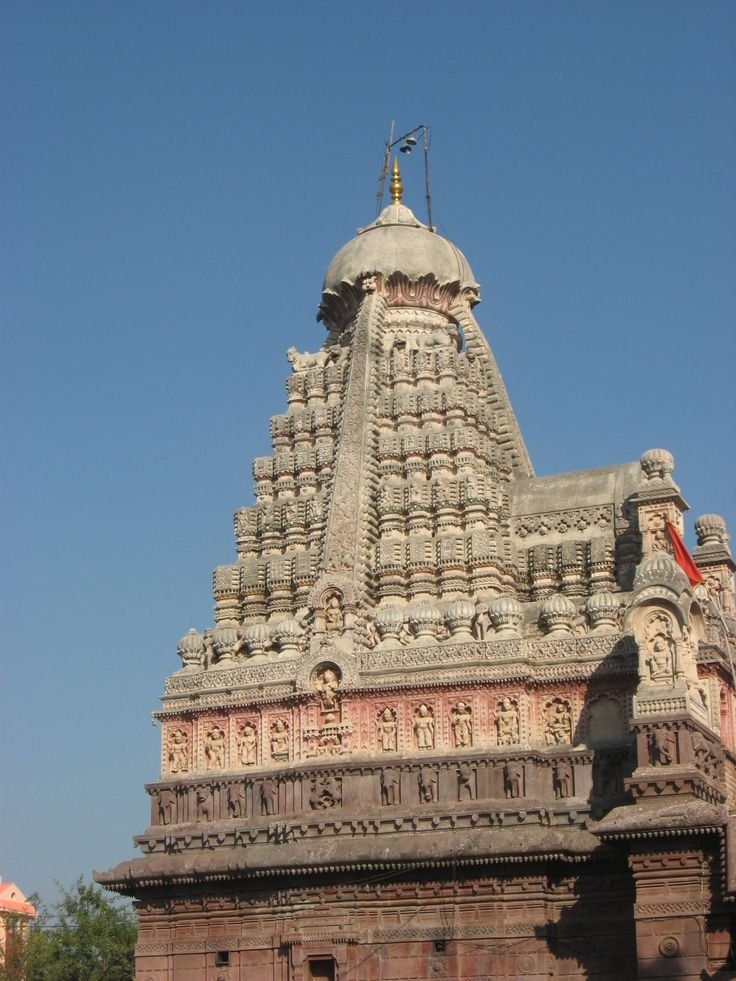
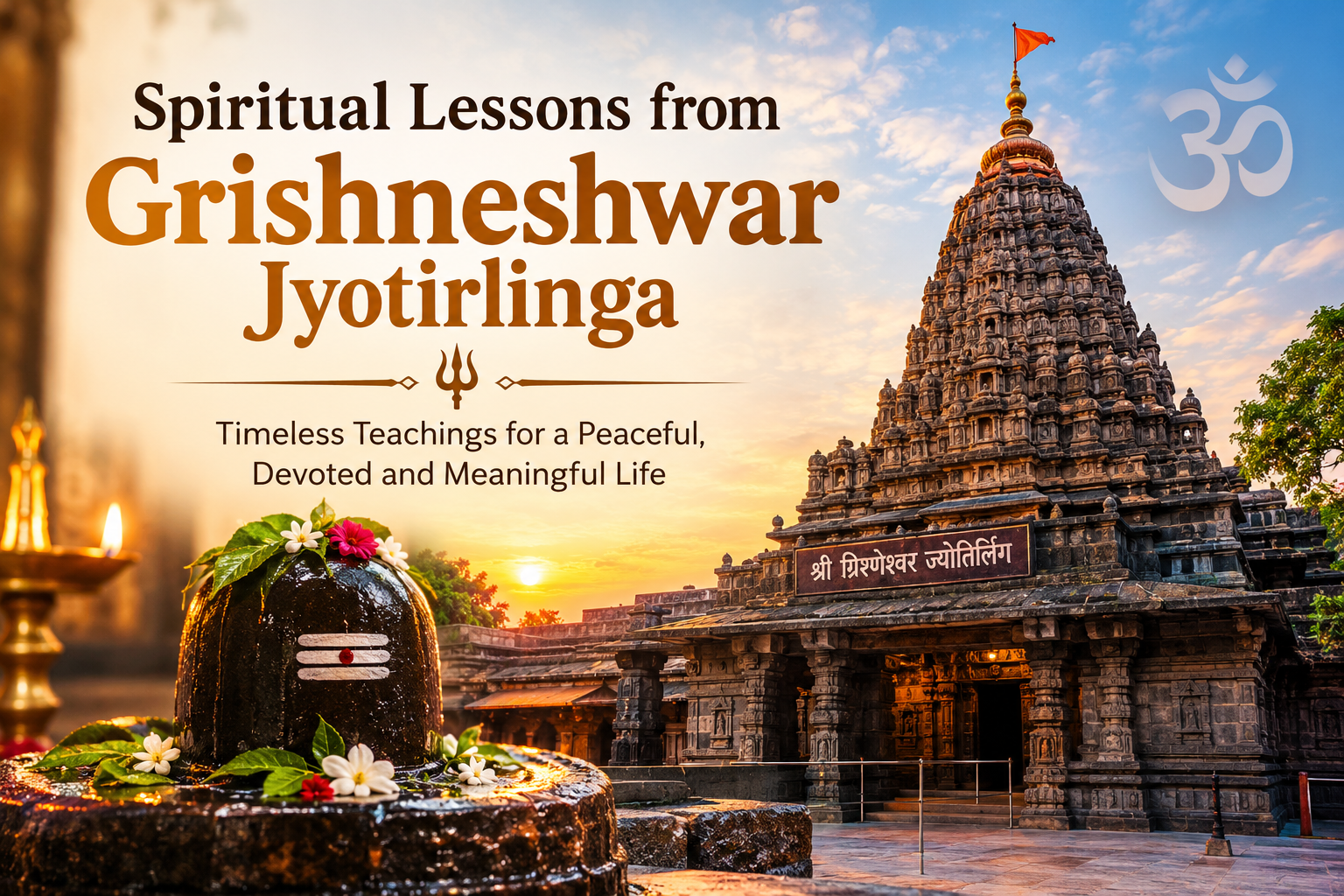
Grishneshwar Temple is admired for its traditional stone architecture and intricate carvings.
The temple complex features a distinctive red-toned stone structure, beautifully carved pillars, sculptural details, and a sacred inner sanctum where the Shiva Linga is worshipped.
The temple's architectural elements reflect the artistic traditions of Maharashtra and the craftsmanship associated with historic Hindu temples.
The main shrine is the spiritual heart of the complex, attracting devotees who come to offer prayers to Lord Shiva.
The temple's traditional design creates an atmosphere of devotion and serenity.
For visitors interested in Indian art, architecture, and religious heritage, Grishneshwar Temple offers a meaningful glimpse into Maharashtra's cultural history.
6. Darshan and Worship at Grishneshwar Jyotirlinga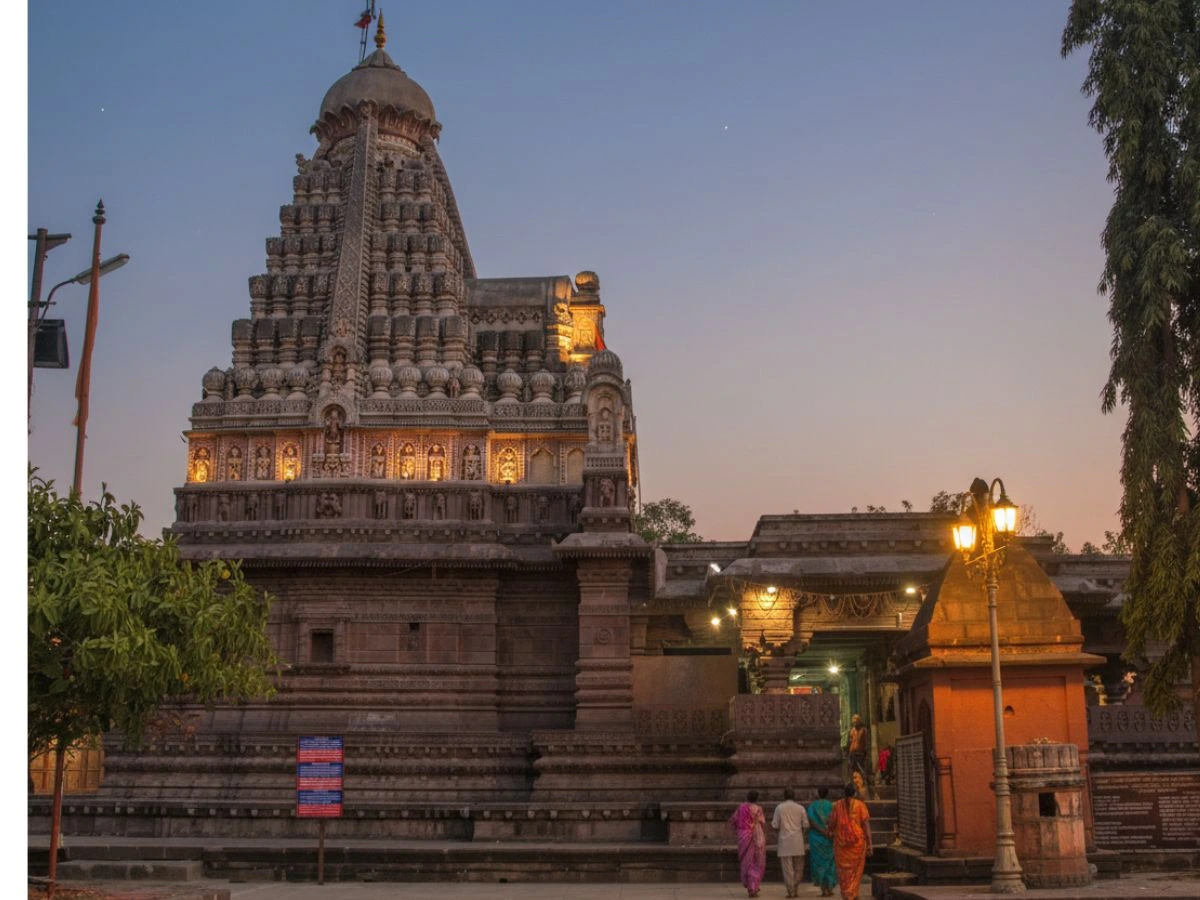
Devotees visit Grishneshwar Temple to perform darshan and offer prayers to Lord Shiva.
Common forms of worship may include:
- Shiva Darshan: Seeking the blessings of Lord Shiva.
- Abhishek: Ritual bathing of the Shiva Linga, subject to temple rules.
- Bilva Patra Offering: Offering sacred bilva leaves to Lord Shiva.
- Mantra Chanting: Reciting “Om Namah Shivaya.”
- Rudrabhishek: A traditional Shiva worship ritual, subject to temple arrangements.
- Meditation and Prayer: Spending quiet time in devotion.
Visitors should follow the temple's current rules regarding clothing, offerings, photography, and access to the sanctum.
7. Best Time to Visit Grishneshwar Jyotirlinga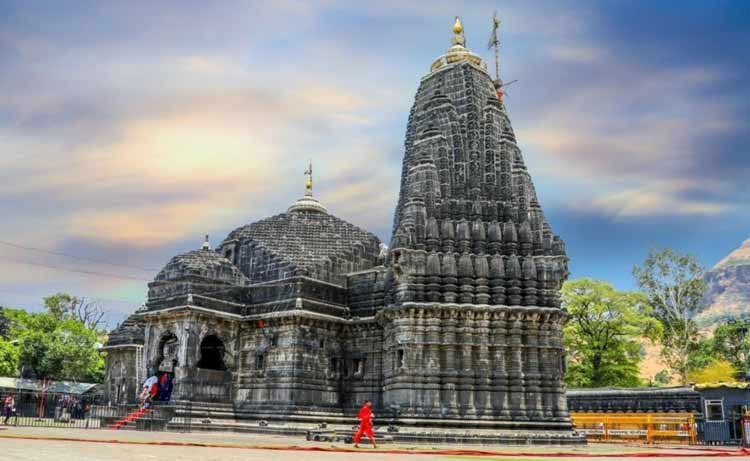
Grishneshwar Jyotirlinga can be visited throughout the year. However, some periods are especially popular among pilgrims.
Winter Season: October to February
Winter is generally a comfortable time to visit because temperatures are usually more pleasant for sightseeing and pilgrimage.
Shravan Month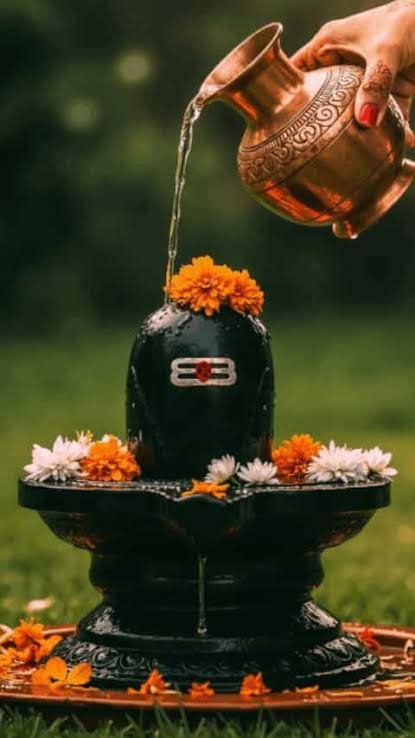
The Hindu month of Shravan is particularly sacred to Lord Shiva. Many devotees visit the temple during this period to offer prayers and participate in religious observances.
The temple can become crowded during Shravan, especially on Mondays.
Maha Shivaratri
Maha Shivaratri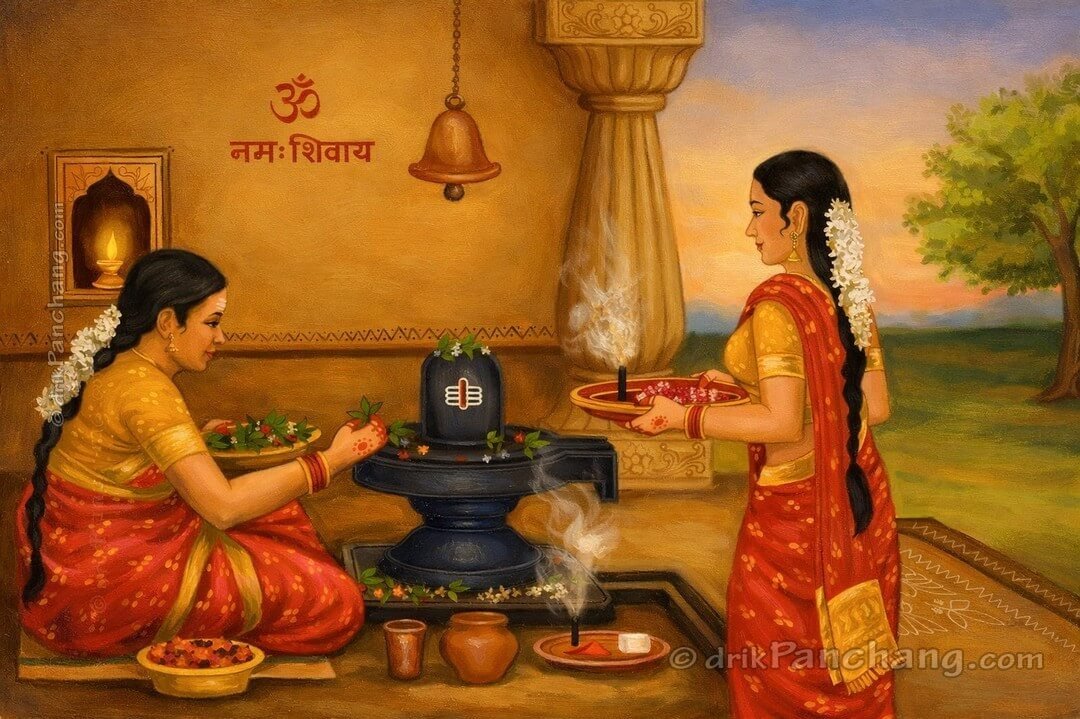 is one of the most important festivals dedicated to Lord Shiva. Special worship and religious activities may take place at the temple, attracting large numbers of devotees.
Visitors planning to attend during major festivals should allow extra time for queues and follow official temple announcements.
8. How to Reach Grishneshwar Jyotirlinga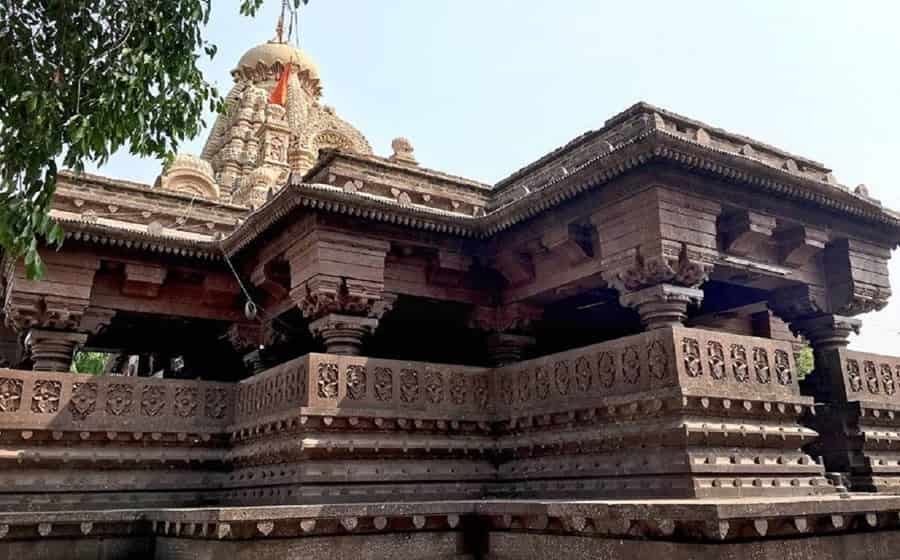
Grishneshwar Temple is accessible by road, rail, and air through nearby transport hubs.
By Air
The nearest major airport is Chhatrapati Sambhajinagar Airport. From there, visitors can continue to the temple by taxi or other available road transport.
By Train
Chhatrapati Sambhajinagar Railway Station is a convenient rail connection for many visitors. From the station, travelers can take a taxi or local transport toward Verul.
By Road
The temple is connected by road to Chhatrapati Sambhajinagar and other parts of Maharashtra. Buses, taxis, and private vehicles can be used to reach the temple.
Travelers should check current transport schedules and road conditions before beginning their journey.
9. Places to Visit Near Grishneshwar Jyotirlinga
A visit to Grishneshwar can be combined with sightseeing at several nearby attractions.
Ellora Caves
The Ellora Caves are a UNESCO World Heritage Site featuring remarkable rock-cut monuments associated with Buddhism, Hinduism, and Jainism.
The Kailasa Temple at Ellora is particularly famous for its monumental rock-cut architecture.
Bhadra Maruti Temple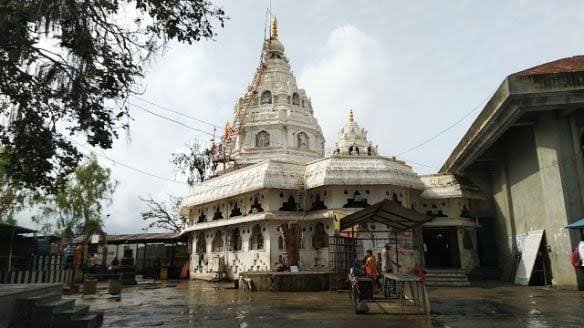
Located in Khuldabad, Bhadra Maruti Temple is a well-known religious destination dedicated to Lord Hanuman. It is popular among devotees visiting the Ellora region.
Daulatabad Fort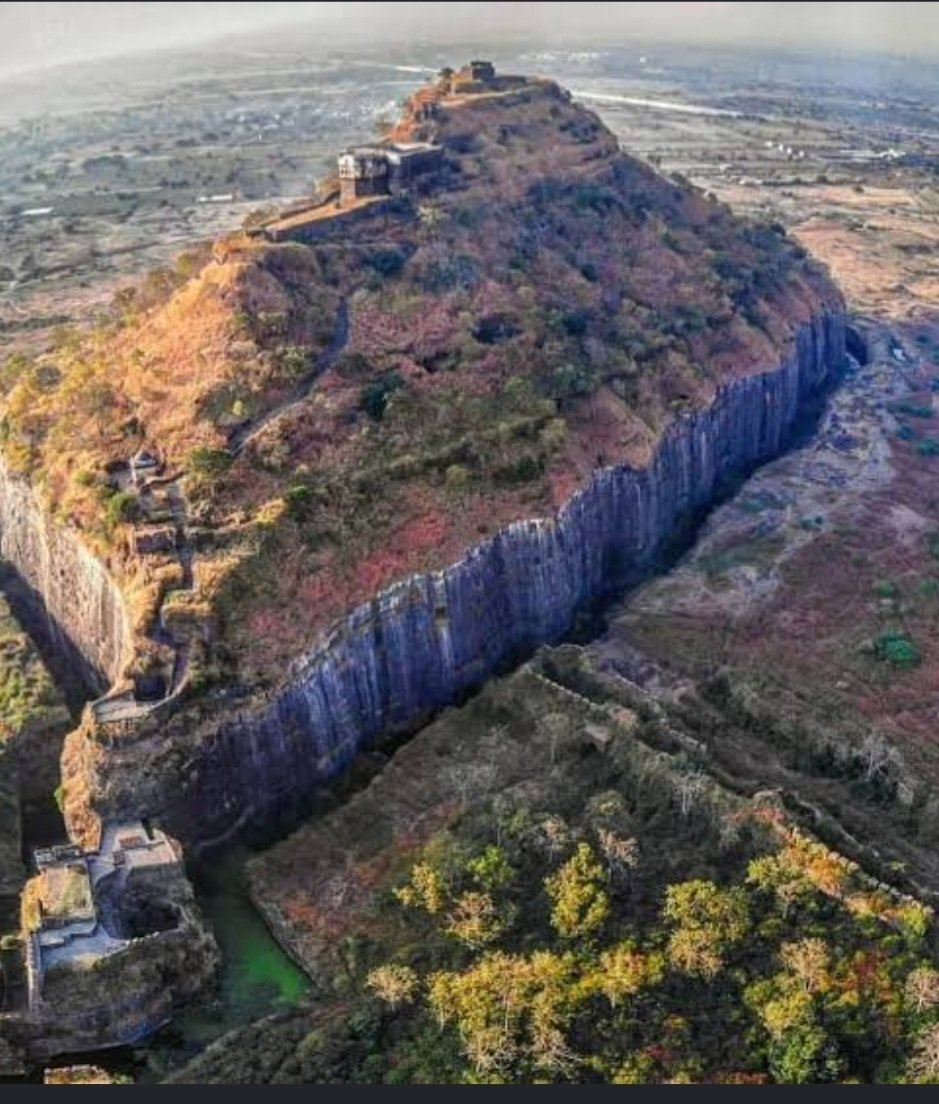
Daulatabad Fort is a historic hill fort known for its strategic location, massive fortifications, and impressive medieval architecture.
Chhatrapati Sambhajinagar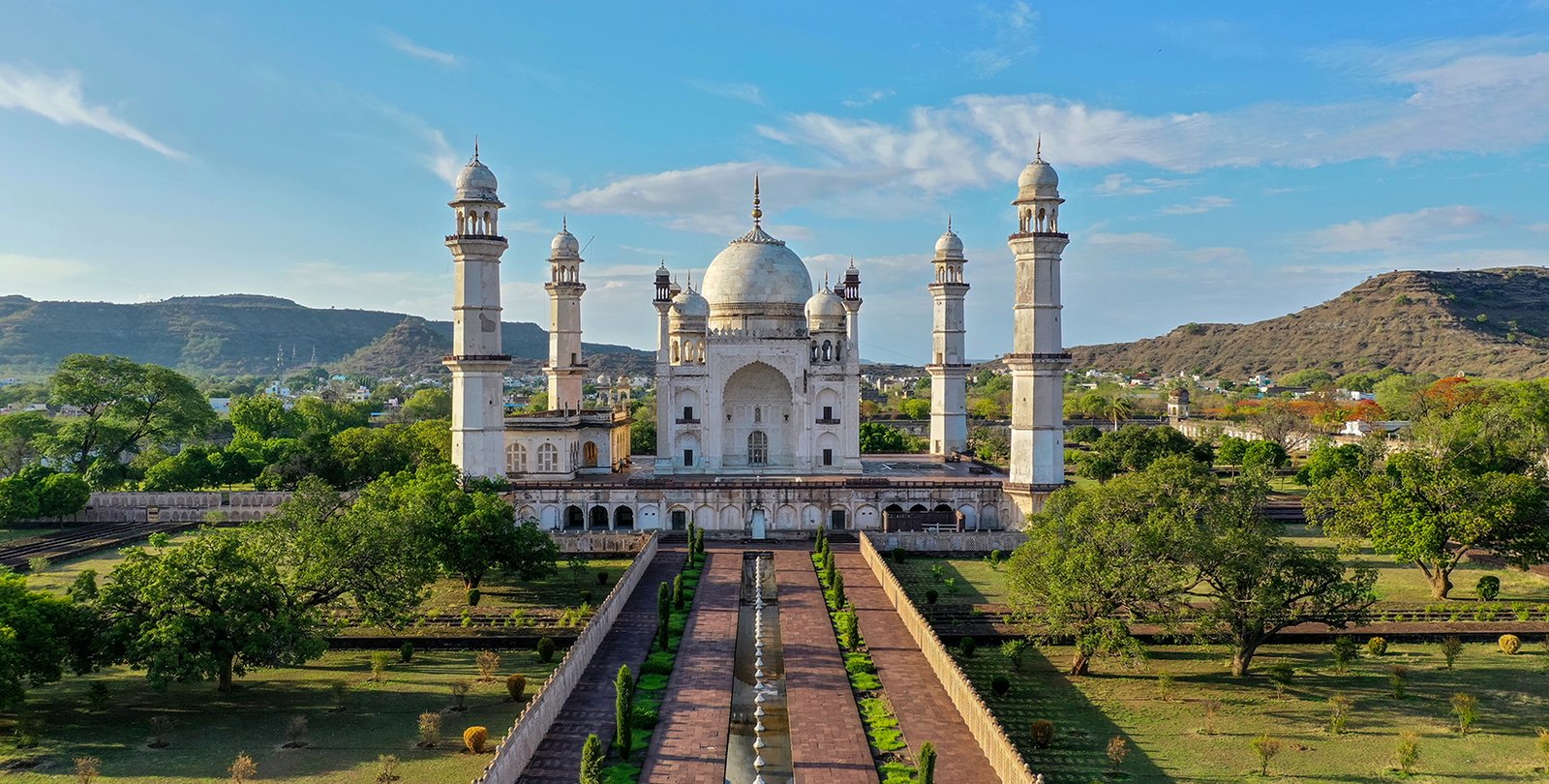
The city offers access to additional historical attractions, local markets, and regional Maharashtrian cuisine.
Visitors should check the opening hours and accessibility of individual attractions before traveling.
10. Important Travel Tips for Devotees
If you are planning a pilgrimage to Grishneshwar Jyotirlinga, keep the following points in mind:
1. Check the latest temple timings before your visit.
2. Arrive early during weekends and religious festivals.
3. Wear modest clothing appropriate for a religious place.
4. Follow the temple's rules regarding offerings and rituals.
5. Keep your belongings secure in crowded areas.
6. Carry drinking water, especially during warmer months.
7. Check local transport availability before traveling.
8. Respect the religious customs and traditions of the temple.
9. Verify current arrangements for special pujas and Abhishek.
10. Plan additional time if you intend to visit Ellora Caves on the same day.
Important: Temple timings, ritual arrangements, and visitor regulations may change. Confirm the latest details locally or through an official temple information source before your visit.
11. Spiritual Lessons from Grishneshwar Jyotirlinga
Grishneshwar Jyotirlinga represents more than a sacred pilgrimage destination. Its associated legend conveys meaningful spiritual lessons.
Faith in Difficult Times: The story of Ghushma reminds devotees that faith can provide courage during periods of hardship.
Power of Devotion: Sincere prayer is an important expression of love and dedication in Hindu spiritual traditions.
Patience and Strength: Spiritual faith can encourage people to face life's challenges with patience and hope.
Peace Through Prayer: Visiting a sacred place allows devotees to pause, reflect, and reconnect with their spiritual values.
For many pilgrims, the experience of visiting Grishneshwar is an opportunity to express gratitude and strengthen their devotion to Lord Shiva.
Conclusion
Grishneshwar Jyotirlinga is one of Maharashtra's most important Hindu pilgrimage destinations. Revered as the twelfth Jyotirlinga of Lord Shiva, the temple is celebrated for its religious significance, traditional architecture, and association with the sacred legend of Ghushma.
Its location near the magnificent Ellora Caves makes it an especially meaningful destination for devotees and travelers interested in India's spiritual and cultural heritage.
Whether you visit to seek the blessings of Lord Shiva, learn about ancient Hindu traditions, or explore Maharashtra's historic monuments, Grishneshwar Jyotirlinga offers a memorable pilgrimage experience.
Har Har Mahadev! Om Namah Shivaya!
May Lord Shiva bless everyone with peace, strength, happiness, and spiritual wisdom.