Kojagiri Purnima: Significance, Rituals, and Celebrations
Oct 26, 2026 · 6 min read · 211 views
Introduction
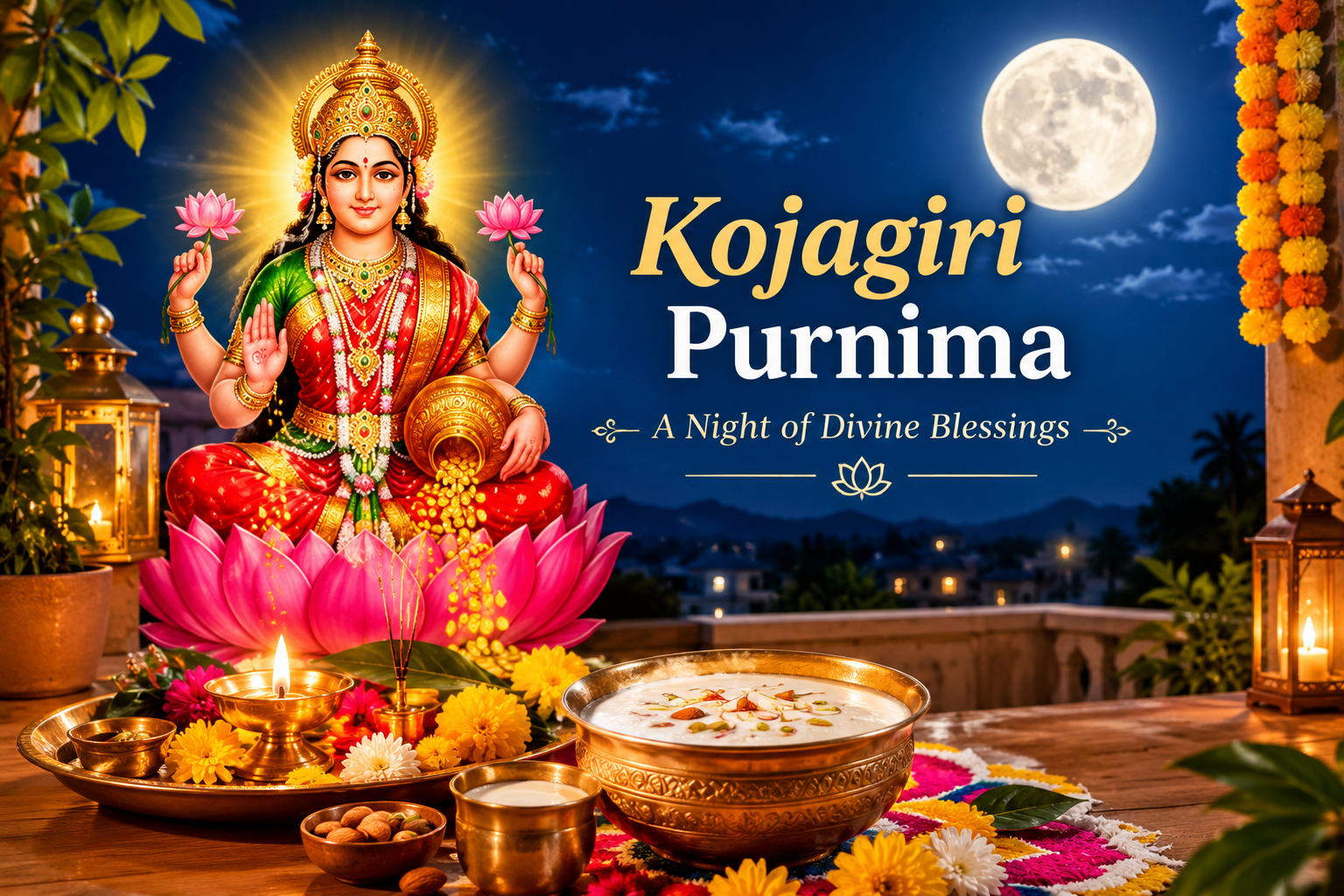
Kojagiri Purnima, also known as Sharad Purnima, is an important Hindu festival celebrated on the full moon day of the Hindu month of Ashwin. This beautiful festival is associated with the worship of Goddess Lakshmi, the goddess of wealth, prosperity, and good fortune.
Kojagiri Purnima is celebrated with great devotion in Maharashtra and other parts of India. On this special night, devotees admire the bright full moon, offer prayers to Goddess Lakshmi, and spend time with family and friends. In Maharashtra, drinking milk under the moonlight is a popular tradition associated with this festival.
What Is Kojagiri Purnima?
The word "Kojagiri" is traditionally associated with the Sanskrit question "Ko Jagrati?" which means "Who is awake?"
According to Hindu tradition, Goddess Lakshmi is believed to bless those who remain awake and worship her with devotion on this auspicious night. Therefore, many devotees stay awake, perform Lakshmi Puja, chant prayers, and participate in devotional activities.
Kojagiri Purnima is also known as Sharad Purnima because it falls during the Sharad season, or autumn, when the full moon appears particularly bright and beautiful.
Religious Significance of Kojagiri Purnima
Kojagiri Purnima holds a special place in Hindu religious traditions. It is believed to be an auspicious occasion for seeking happiness, prosperity, peace, and spiritual well-being.
1. Worship of Goddess Lakshmi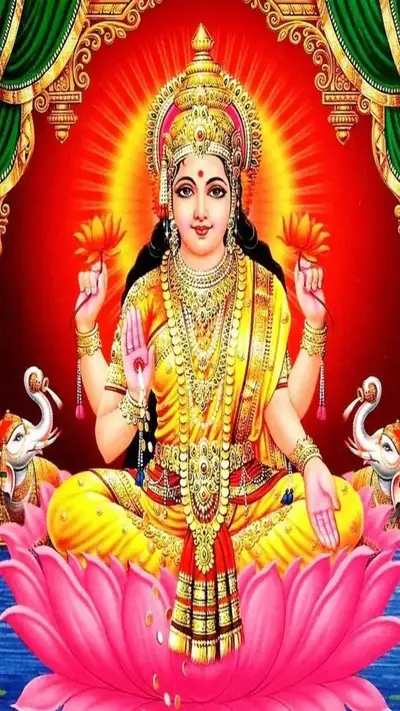
Goddess Lakshmi is worshipped on Kojagiri Purnima for wealth, prosperity, and abundance. Devotees clean their homes, decorate their entrances with rangoli, light lamps, and offer flowers, sweets, and prayers to the goddess.
2. Importance of the Full Moon

The full moon is an important symbol of completeness, peace, and beauty in Hindu traditions. The bright moonlight on Sharad Purnima creates a joyful atmosphere and inspires devotees to reflect on gratitude, faith, and positivity.
3. A Night of Devotion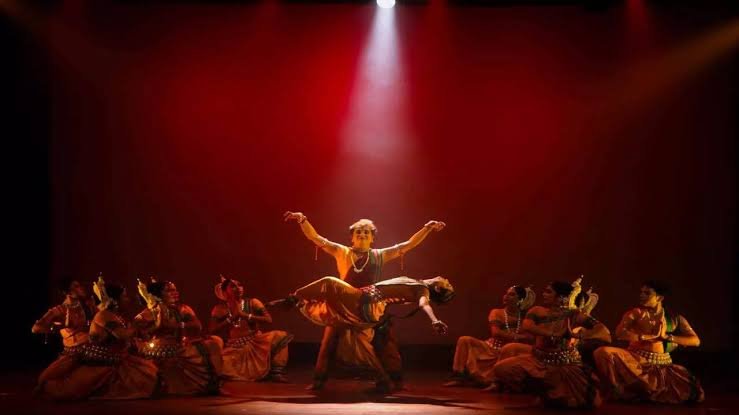
Many people observe a night vigil by singing devotional songs, reciting prayers, and remembering Goddess Lakshmi. These activities strengthen faith and bring family members together.
Kojagiri Purnima Rituals and Traditions
Different regions of India celebrate Kojagiri Purnima according to their local customs and traditions.
1. Lakshmi Puja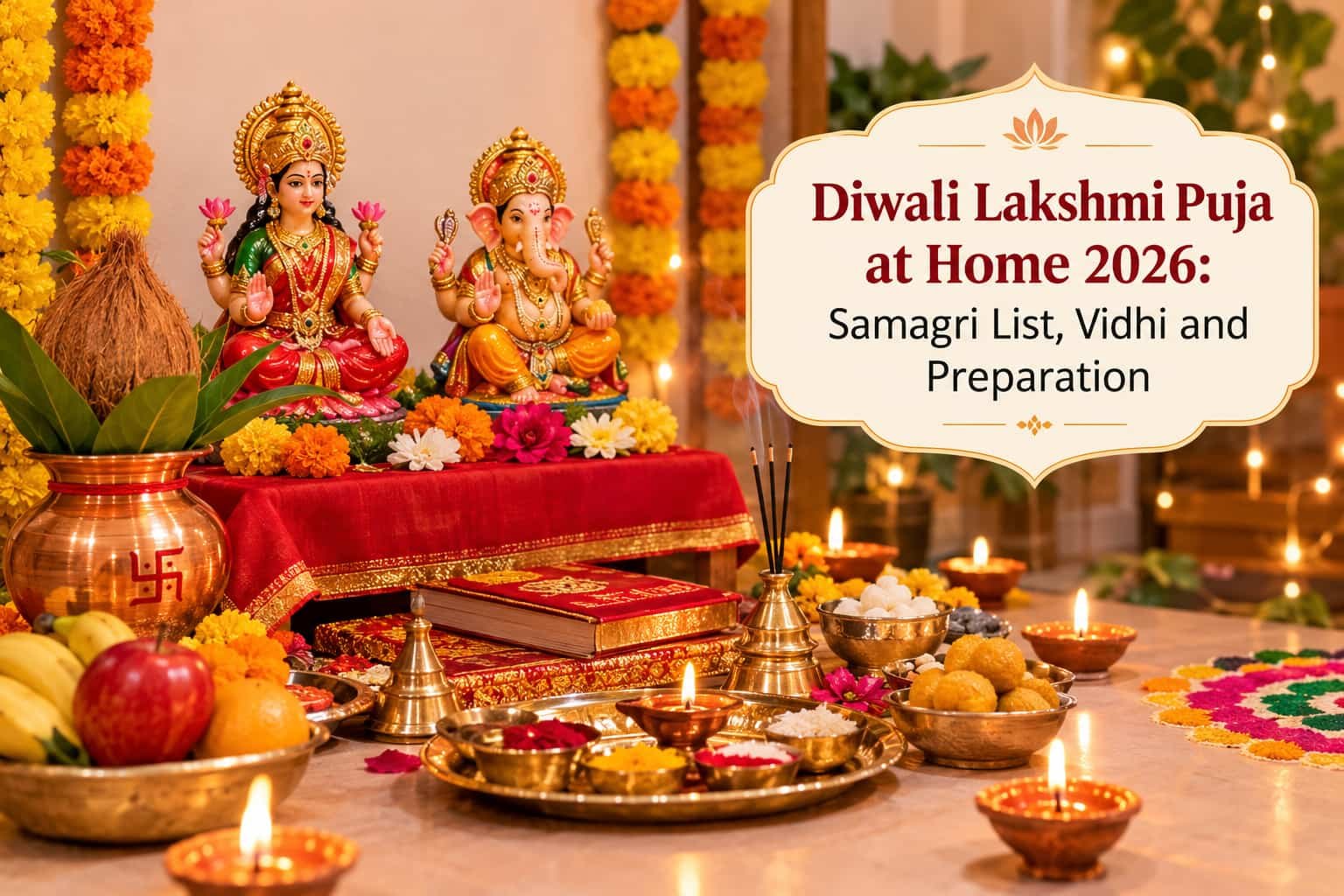
Devotees worship Goddess Lakshmi in the evening or at night. They offer flowers, fruits, sweets, and other traditional offerings. Some families also worship Lord Vishnu along with Goddess Lakshmi.
2. Staying Awake at Night
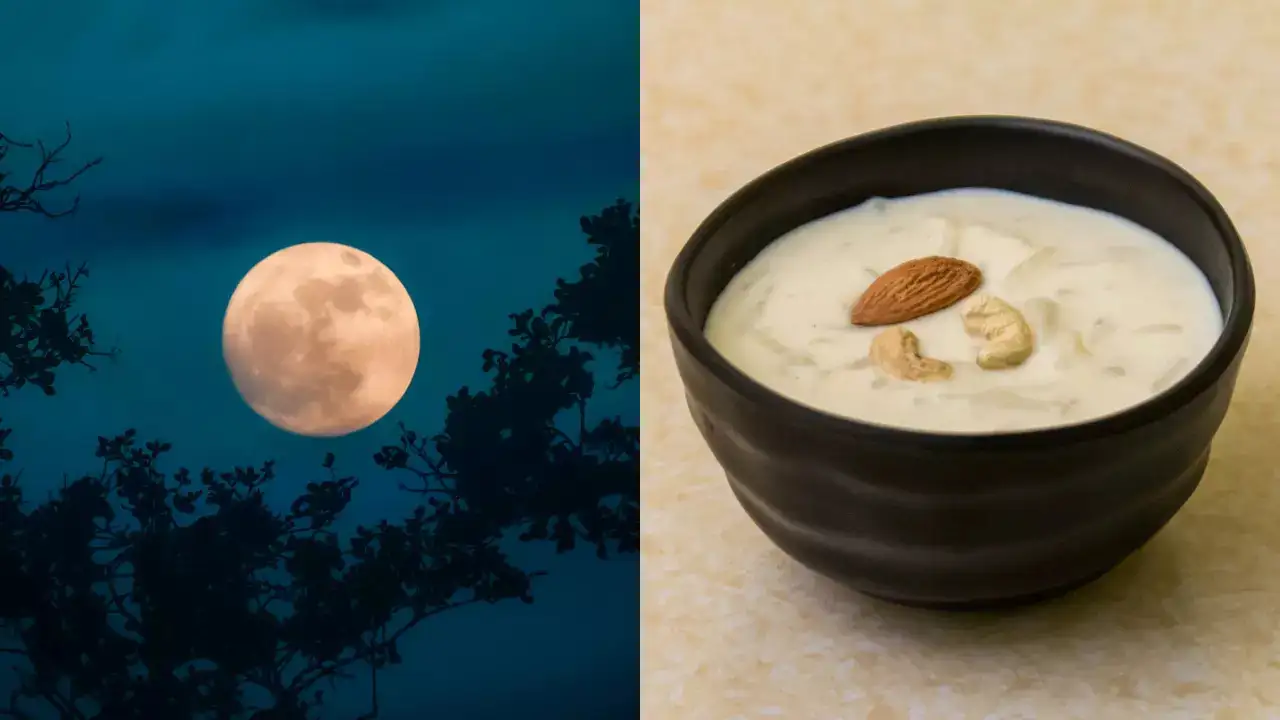
Staying awake during the night is one of the well-known traditions of Kojagiri Purnima. Families spend time praying, singing bhajans, and enjoying the peaceful atmosphere under the full moon.
3. Drinking Milk Under the Moonlight
In Maharashtra, preparing sweetened milk and enjoying it under the moonlight is a popular Kojagiri Purnima tradition. The milk may be flavoured with cardamom, saffron, almonds, or other ingredients according to family preferences.
This custom is an important part of the festival's social celebrations, bringing relatives and friends together.
4. Decorating Homes
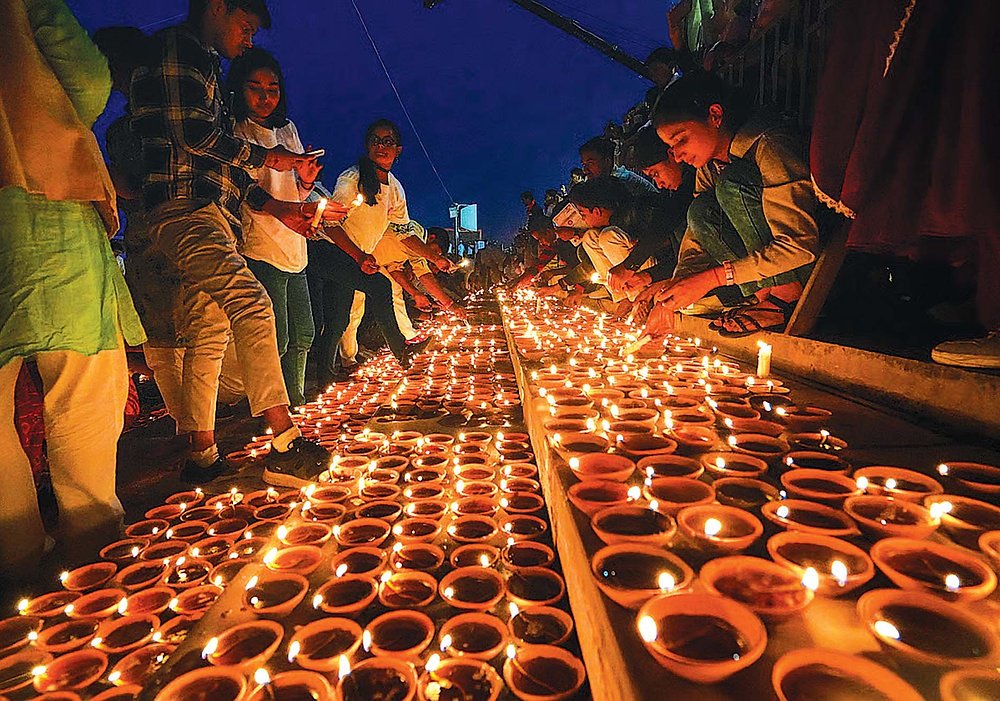
People clean and decorate their homes with rangoli, flowers, and lamps. These decorations create a festive atmosphere and reflect the traditional Indian spirit of welcoming prosperity and positivity.
Kojagiri Purnima Celebration in Maharashtra
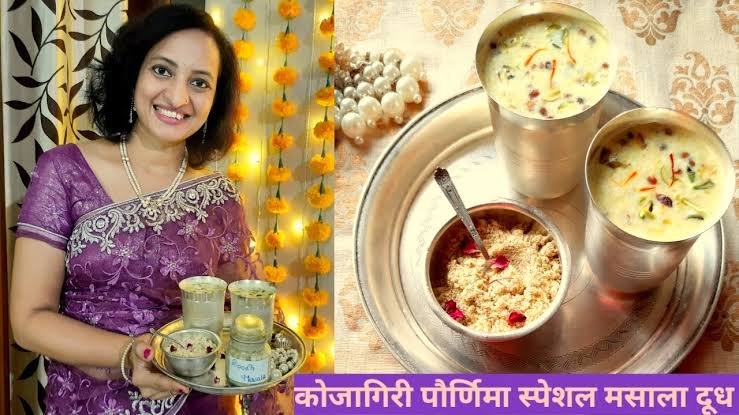
Kojagiri Purnima is especially popular in Maharashtra. Families, friends, and communities gather in open spaces, on terraces, and in gardens to enjoy the full moon.
Sweetened milk is often prepared and shared among family members. Some communities organize cultural programmes, devotional singing, and social gatherings.
The festival represents togetherness, happiness, devotion, and gratitude. It is also an opportunity for people to celebrate their cultural heritage and pass traditional customs on to younger generations.
Spiritual Lessons from Kojagiri Purnima
Kojagiri Purnima offers several meaningful spiritual lessons.
1. Faith and Devotion: The festival encourages people to maintain faith and remember the divine in their daily lives.
2. Gratitude: It reminds us to appreciate the blessings, relationships, and opportunities we have received.
3. Family Unity: Celebrating together strengthens relationships and creates lasting memories.
4. Positive Living: Cleaning our homes and minds, practising kindness, and developing good habits can help us lead more peaceful lives.
5. Discipline and Awareness: The tradition of staying awake can serve as a reminder to remain attentive to our responsibilities and spiritual growth.
Kojagiri Purnima and the Tradition of Kheer
In several Indian traditions, special milk-based preparations, including kheer, are associated with Sharad Purnima. Families may prepare sweet dishes as offerings or festive treats.
Customs differ from region to region and family to family. These traditional foods add warmth and joy to the celebration.
Although some traditions associate moonlight with special qualities, claims that moonlight makes food medicinal or provides specific health benefits are not scientifically established. Food should always be prepared and stored safely.
How to Celebrate Kojagiri Purnima at Home
You can celebrate Kojagiri Purnima with simple and meaningful activities:
- Clean your home and decorate it with rangoli and flowers.
- Worship Goddess Lakshmi according to your family tradition.
- Light a diya in a safe place.
- Offer flowers, fruits, or sweets during the puja.
- Chant Lakshmi mantras or sing devotional songs.
- Prepare sweetened milk or kheer for your family.
- Spend quality time with loved ones.
- Practise gratitude and offer help to someone in need.
The most important part of the celebration is devotion, kindness, and a peaceful heart.
Conclusion
Kojagiri Purnima is a beautiful Hindu festival that celebrates the full moon, devotion to Goddess Lakshmi, and the joy of togetherness. Through prayers, traditional rituals, and family gatherings, people express their faith and hope for prosperity and happiness.
The festival reminds us that true prosperity includes not only material wealth but also good health, loving relationships, peace of mind, and spiritual growth.
May Goddess Lakshmi bless everyone with happiness, peace, wisdom, and prosperity on the auspicious occasion of Kojagiri Purnima.
Happy Kojagiri Purnima! May your life shine with happiness and positivity. 🙏🌕🪷
Frequently Asked Questions (FAQs)
1. What is Kojagiri Purnima?
Kojagiri Purnima is a Hindu festival celebrated on the full moon day of the Ashwin month. It is associated with Goddess Lakshmi and is also known as Sharad Purnima.
2. Why is Kojagiri Purnima celebrated?
The festival is celebrated to worship Goddess Lakshmi, seek blessings for prosperity, and honour traditional customs associated with the full moon.
3. Which goddess is worshipped on Kojagiri Purnima?
Goddess Lakshmi, the Hindu goddess of wealth and prosperity, is especially worshipped on this occasion.
4. Why do people stay awake on Kojagiri Purnima?
According to traditional belief, the name Kojagiri refers to the question "Who is awake?" Many devotees stay awake at night to worship Goddess Lakshmi.
5. Why do people drink milk on Kojagiri Purnima?
In Maharashtra, drinking sweetened milk under the moonlight is a popular cultural tradition that brings family and friends together.
6. Is Kojagiri Purnima also called Sharad Purnima?
Yes. Kojagiri Purnima is widely associated with Sharad Purnima, although regional names and customs may vary.SEO Settings for Blogger
.