Life Story of Lord Shri Rama – Biography, Teachings and Legacy
Sep 20, 2026 · 8 min read · 218 views

Lord Shri Rama is one of the most revered figures in Sanatan Dharma. He is described in Hindu tradition as the seventh avatar of Lord Vishnu and is the central figure of the ancient epic Ramayana. His life represents truth, duty, courage, compassion, self-discipline, devotion, and righteousness.
The story of Lord Rama is not only a religious narrative but also a source of moral and spiritual teachings. His life teaches people how to follow Dharma even when faced with difficult circumstances.
Birth of Lord Shri Rama
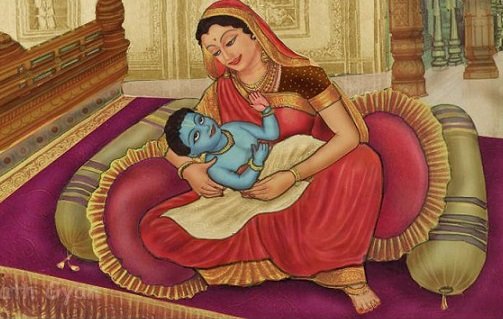
According to the Ramayana, Lord Rama was born in Ayodhya to King Dasharatha and Queen Kaushalya. King Dasharatha had three other sons—Bharata, Lakshmana, and Shatrughna.
Lord Rama was the eldest son and was known for his calm nature, wisdom, courage, and respect for elders. From childhood, he demonstrated qualities of an ideal prince and a devoted son.
The birth of Lord Rama is celebrated as Rama Navami, an important Hindu festival observed with prayers, devotional songs, and religious ceremonies.
Childhood and Education
Rama grew up in the royal palace of Ayodhya and received education in scriptures, ethics, warfare, and the responsibilities of a ruler.
He was trained in the use of weapons and learned from respected sages. Despite being a prince, Rama remained humble and respectful toward teachers, elders, and ordinary people.
His younger brother Lakshmana was especially devoted to him and remained closely connected with him throughout his life.
Lord Rama and Sage Vishwamitra
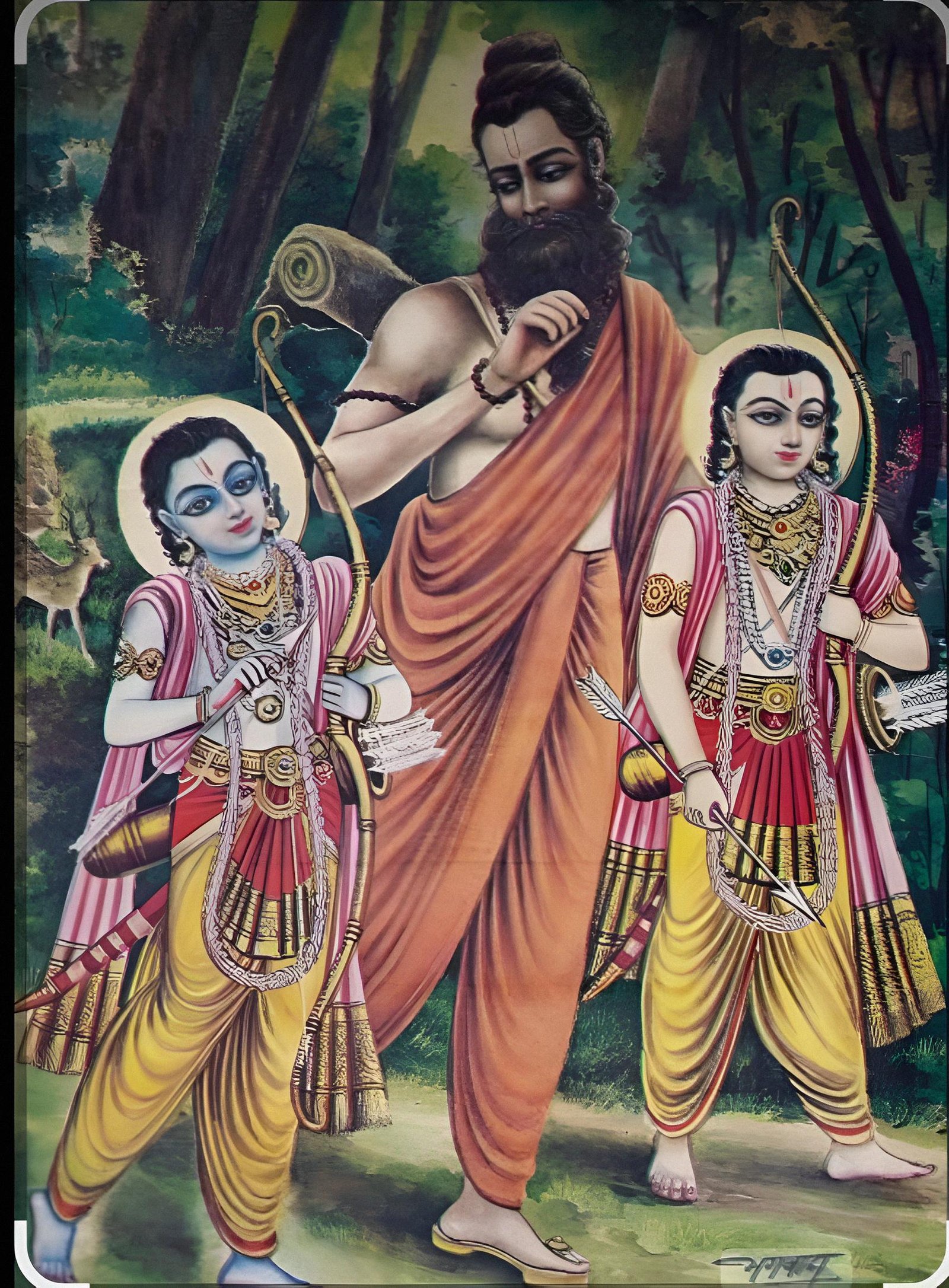
One important episode in Rama's youth begins when Sage Vishwamitra visits King Dasharatha and asks that Rama and Lakshmana accompany him to protect his spiritual activities from disturbances.
Rama follows the sage and demonstrates his courage and skills. During this journey, he also encounters various challenges and learns important lessons about responsibility and the protection of Dharma.
This journey marks an important stage in Rama's development from a young prince into a responsible warrior.
Marriage of Lord Rama and Sita
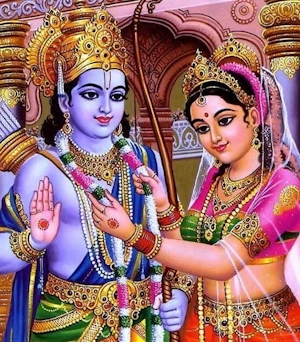
During his journey with Sage Vishwamitra, Rama reaches the kingdom of Mithila, ruled by King Janaka.
King Janaka's daughter was Sita, who is revered in Hindu tradition as an embodiment of virtue, devotion, strength, and purity.
At Sita's swayamvara, Rama successfully lifts and strings the mighty bow of Lord Shiva, fulfilling the challenge set by King Janaka. Rama and Sita are then married.
Their marriage is traditionally regarded as an ideal example of mutual devotion, responsibility, and commitment.
The Exile of Lord Rama
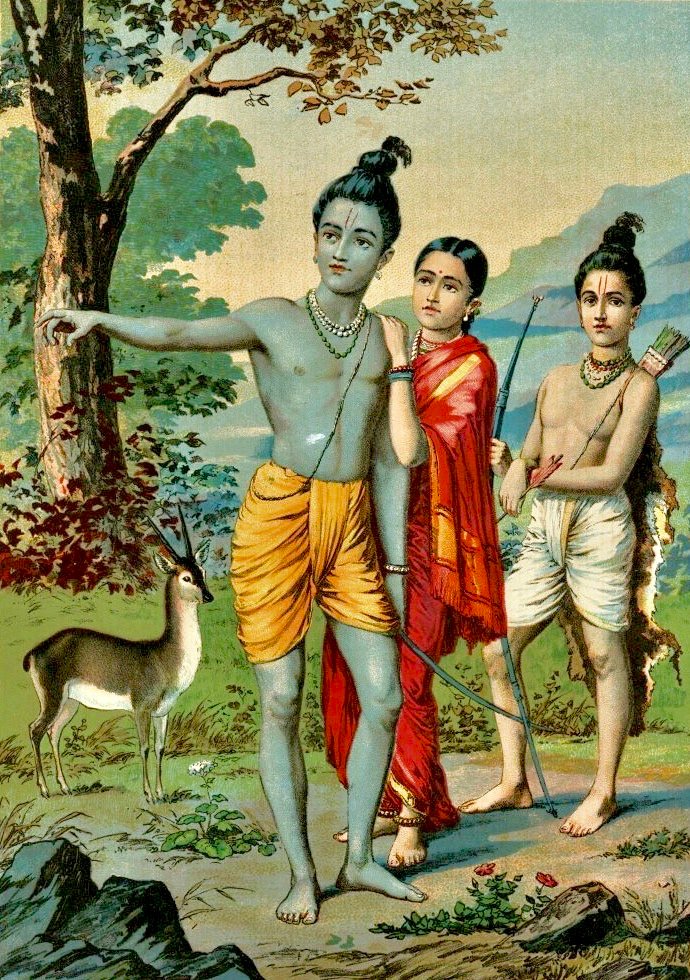
One of the most significant events in Rama's life occurs when King Dasharatha decides to make Rama the king of Ayodhya.
However, Queen Kaikeyi reminds Dasharatha of two promises he had previously granted her. She asks that her son Bharata be made king and that Rama be sent into exile for fourteen years.
Rama accepts the decision without anger or rebellion. He chooses to honor his father's word.
Sita decides to accompany Rama, and Lakshmana also joins them. Together, they leave Ayodhya and begin their life in the forest.
This part of the Ramayana highlights Rama's commitment to Dharma, obedience to parents, and keeping one's word.
Life in the Forest
During their fourteen years of exile, Rama, Sita, and Lakshmana travel through forests and meet sages and devotees.
They live a simple life away from the comforts of the royal palace. Rama protects sages and helps people who seek his support.
Their forest life demonstrates the importance of patience, simplicity, courage, and responsibility even during difficult circumstances.
Abduction of Sita
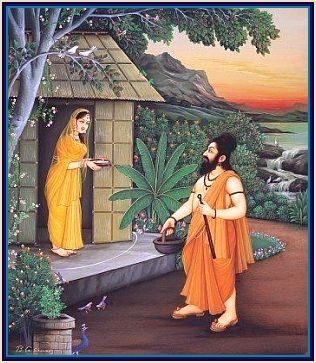
A major turning point in the Ramayana occurs when Sita is abducted by Ravana, the king of Lanka.
Ravana takes Sita to Lanka, where she is kept in the Ashoka Vatika.
Rama begins his search for Sita with the help of Lakshmana and later meets Hanuman and the Vanara community.
Lord Rama and Hanuman
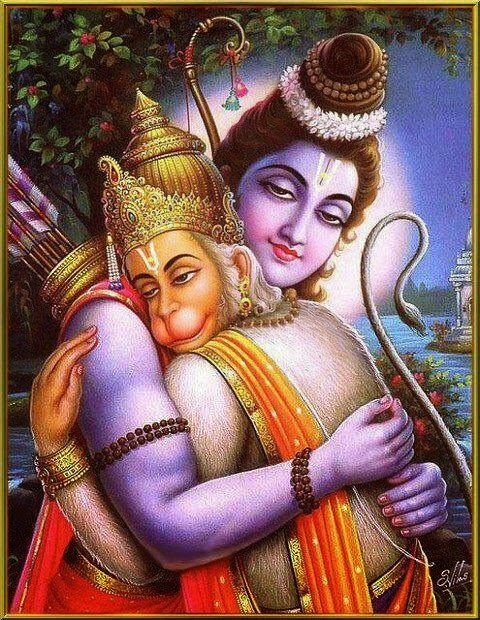
The relationship between Rama and Hanuman is one of the most celebrated examples of devotion in Hindu tradition.
Hanuman becomes a devoted servant and follower of Rama. His courage, humility, wisdom, and dedication play an important role in Rama's journey.
Hanuman travels to Lanka, finds Sita, delivers Rama's message, and returns with information about her location.
The devotion of Hanuman teaches the importance of faith, service, humility, and dedication.
The Journey to Lanka
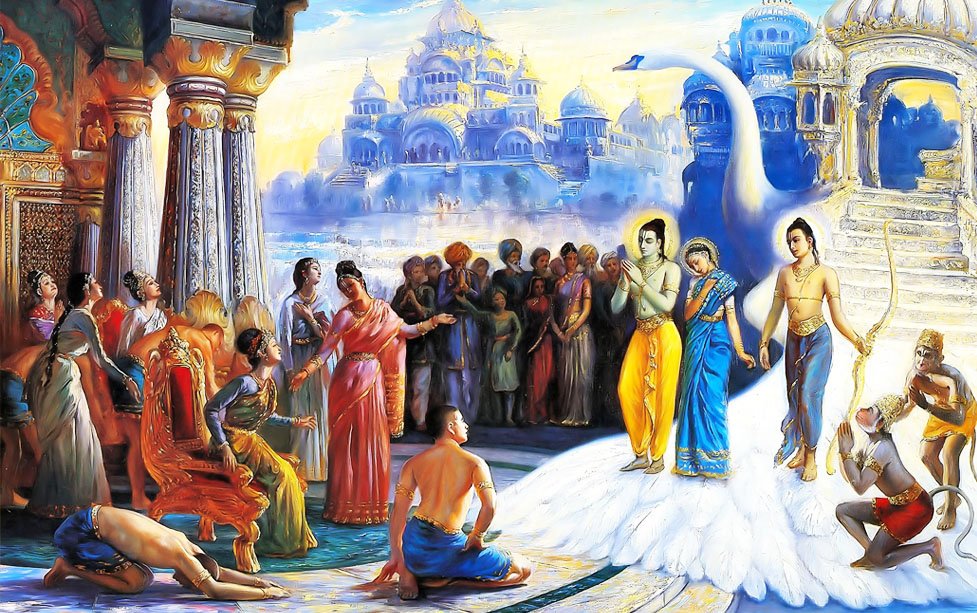
To reach Lanka, Rama and his allies build a bridge across the sea. This is traditionally known as Rama Setu.
Rama's army reaches Lanka and faces Ravana's forces in a great battle.
The battle represents the struggle between Dharma and Adharma in the traditional narrative.
Victory Over Ravana
The battle in Lanka continues for several days. Rama eventually defeats Ravana.
Ravana is traditionally portrayed as a powerful and knowledgeable ruler who nevertheless allows pride, desire, and wrongdoing to guide his actions.
Rama's victory is therefore remembered as the triumph of righteousness over wrongdoing.
The festival of Dussehra, also known as Vijayadashami, is traditionally associated with Rama's victory over Ravana.
Return to Ayodhya
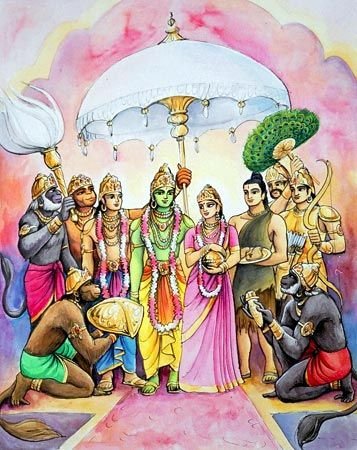
After completing the fourteen years of exile and defeating Ravana, Rama returns to Ayodhya with Sita and Lakshmana.
According to the traditional account, the people of Ayodhya welcome them with great happiness and illuminate their homes with lamps.
This story is traditionally associated with the celebration of Diwali, the festival of lights.
Rama's return symbolizes the victory of light over darkness and righteousness over evil.
Rama Rajya
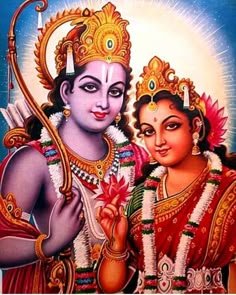
After returning to Ayodhya, Rama becomes king.
The ideal kingdom associated with his rule is commonly called Rama Rajya. In traditional literature and later cultural interpretations, it represents a society governed by justice, responsibility, peace, and welfare.
Rama is remembered as an ideal ruler who placed Dharma and the welfare of his people at the center of kingship.
Major Teachings of Lord Rama
The life of Lord Rama provides many important teachings:
1. Always Follow Dharma
Rama's life emphasizes the importance of righteousness and responsibility, even when following Dharma requires personal sacrifice.
2. Respect Parents and Elders
Rama accepts his father's difficult promise and demonstrates the importance of honoring parents and elders.
3. Keep Your Word
Rama's character is closely associated with truthfulness and commitment to promises.
4. Remain Humble
Despite being a prince and later a king, Rama is traditionally portrayed as humble and respectful.
5. Face Difficulties With Courage
Rama experiences exile, separation, loss, and war, yet continues his journey with determination.
6. Value Devotion and Friendship
The relationships between Rama, Hanuman, Sugriva, Lakshmana, and others highlight the importance of loyalty, friendship, and service.
7. Choose Righteousness Over Power
The story of Rama and Ravana teaches that knowledge and power without Dharma can lead to destruction.
Why Lord Rama Is Important in Sanatan Dharma
Lord Rama continues to hold a central place in Hindu religious and cultural traditions. His story is narrated through the Ramayana, regional retellings, devotional literature, temples, festivals, theatre, music, and traditional storytelling.
For millions of devotees, Rama represents an ideal combination of courage, compassion, truth, duty, and righteousness.
His famous name, “Jai Shri Ram,” is used by devotees as an expression of reverence and devotion.
Conclusion
The life of Lord Shri Rama is one of the most enduring spiritual narratives of Sanatan Dharma. From his birth in Ayodhya to his exile, his search for Sita, his alliance with Hanuman, his victory over Ravana, and his return to Ayodhya, every major episode carries moral and spiritual significance.
Lord Rama's life teaches us that true strength is not only physical power. It is also the strength to remain truthful, disciplined, compassionate, courageous, and committed to Dharma.
His story continues to inspire generations and remains an important part of India's spiritual and cultural heritage.
Frequently Asked Questions (FAQ)
Who was Lord Shri Rama?
Lord Shri Rama is revered in Hindu tradition as the seventh avatar of Lord Vishnu and is the central figure of the Ramayana.
Where was Lord Rama born?
According to the Ramayana tradition, Lord Rama was born in Ayodhya to King Dasharatha and Queen Kaushalya.
Who was Lord Rama's wife?
Lord Rama's wife was Sita, the daughter of King Janaka of Mithila.
How long was Lord Rama's exile?
According to the Ramayana, Rama spent fourteen years in exile.
Who helped Lord Rama find Sita?
Hanuman and the Vanara allies played a major role in helping Rama search for and rescue Sita.
Who was Ravana?
Ravana was the king of Lanka and the principal antagonist in the Ramayana. Rama ultimately defeated him in the battle of Lanka.
What does Lord Rama teach us?
Lord Rama's life is traditionally associated with teachings about Dharma, truth, courage, devotion, respect for elders, self-discipline, and responsibility.
#LordRama #ShriRam #JaiShriRam #Ramayana #SanatanDharma #RamaNavami #SitaRam #Hanuman #HinduDharma #IndianCulture #Dharma #Spirituality #Hinduism #RamKatha
More in Sanatan Dharma
Nashik-Trimbakeshwar Simhastha Kumbh Mela 2026-28: Dates, Amrit Snan and Complete Details
श्रीकृष्णाने सांगितलेले कर्माचे महत्त्व – जीवन जगण्याचा अनमोल संदेश