
Lord Rama’s Exile: The Story of Sacrifice, Dharma, and Devotion
Oct 30, 2026 · 8 min read · 148 views

Introduction
The story of Lord Rama’s exile is one of the most inspiring episodes in the ancient Hindu epic, the Ramayana. It teaches us the importance of truth, duty, sacrifice, obedience, and righteousness. Lord Rama, the beloved prince of Ayodhya, willingly accepted fourteen years of exile to honor his father’s promise.
Although Rama was the rightful heir to the throne, he chose to follow the path of dharma rather than seek power or comfort. His journey into the forest became a powerful example of how a person should remain committed to truth and moral values, even during difficult times.
Let us explore the story of Lord Rama’s exile and the timeless lessons it offers.
Why Was Lord Rama Sent into Exile?
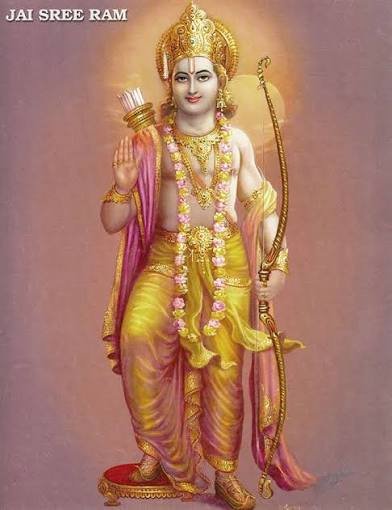
King Dasharatha, the ruler of Ayodhya, had three principal queens: Kaushalya, Kaikeyi, and Sumitra. Lord Rama was the son of Queen Kaushalya and was deeply loved by his father and the people of Ayodhya.
When the time came to appoint Rama as the next king, the entire kingdom celebrated the news. However, Queen Kaikeyi, influenced by her attendant Manthara, decided to claim two boons that King Dasharatha had promised her in the past.
Kaikeyi asked for two things:
1. Her son Bharata should become the king of Ayodhya.
2. Lord Rama should be sent into exile in the forest for fourteen years.
King Dasharatha was heartbroken. He loved Rama deeply and could not bear the thought of separation from his son. However, he had promised Kaikeyi that he would grant her two wishes.
Bound by his promise, Dasharatha found himself unable to change the situation.
Lord Rama Accepts His Father’s Promise
When Lord Rama learned about Kaikeyi’s demands, he did not express anger or resentment. Instead, he calmly accepted the decision.
For Rama, honoring his father’s word was more important than becoming king. He believed that truth and dharma must always be protected, regardless of personal loss.
His decision demonstrated extraordinary self-control, humility, and respect for his parents.
Rama's willingness to leave the royal palace teaches us that true greatness does not come from wealth, authority, or status. It comes from character, integrity, and the ability to stand by one's principles.
Sita and Lakshmana Join Rama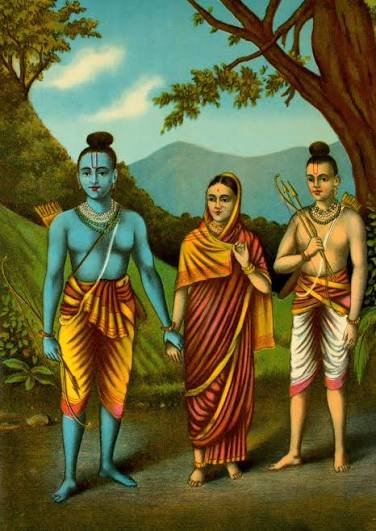
When Goddess Sita learned that Rama was leaving Ayodhya, she decided to accompany her husband into the forest. She believed that sharing his difficulties was an essential part of their relationship.
Although Rama explained that forest life would be challenging, Sita remained determined to stay beside him.
Lakshmana, Rama's devoted younger brother, also chose to accompany them. His love and loyalty toward Rama were unwavering.
Together, Rama, Sita, and Lakshmana left the comforts of palace life and began their journey into the forest.
Their departure was a deeply emotional moment for the people of Ayodhya, who loved Rama and did not want him to leave.
This episode reminds us of the importance of family bonds, loyalty, and standing beside loved ones during difficult times.
The People of Ayodhya Say Goodbye
When Rama departed from Ayodhya, many citizens followed him because they could not imagine living without their beloved prince.
Rama understood their love but continued his journey, knowing that he had to fulfill his father's promise.
King Dasharatha was overwhelmed by grief after Rama's departure. The separation deeply affected him, and he eventually passed away while remembering Rama.
Meanwhile, Bharata, who was away when these events occurred, returned to Ayodhya and learned what had happened.
Bharata was deeply saddened by his mother's actions. He did not wish to take the throne while Rama was living in exile.
Instead, Bharata went to meet Rama in the forest and requested that he return to Ayodhya and become king.
Bharata’s Devotion to Lord Rama
Bharata's actions demonstrate another beautiful aspect of the Ramayana: selfless love and devotion.
Although the throne was offered to him, Bharata refused to enjoy a kingdom that rightfully belonged to Rama.
He requested Rama to return, but Rama remained committed to honoring their father's promise.
Finally, Bharata took Rama's sandals and placed them on the throne of Ayodhya. He governed the kingdom as Rama's representative and waited for his brother's return.
This story teaches us that genuine love does not depend on power, position, or personal gain. Bharata's devotion remains an inspiring example of humility and brotherly affection.
Life in the Forest During the Exile
During their fourteen years of exile, Rama, Sita, and Lakshmana lived in different forest regions. They encountered sages, learned from spiritual teachers, and experienced the challenges of forest life.
They lived simply, away from the luxuries of the royal palace.
Rama protected sages and supported the forces of righteousness. His journey was not merely a period of separation from the kingdom; it also became an important part of the larger story of the Ramayana.
Later, the events surrounding the abduction of Sita by Ravana led to Rama's search for her and the great battle in Lanka.
These events are central to the Ramayana and ultimately lead toward the triumph of righteousness over evil.
Spiritual Lessons from Lord Rama’s Exile
The story of Rama's exile offers many lessons that remain relevant in modern life.
1. Always Follow Dharma
Rama chose righteousness even when it meant giving up the throne. His life reminds us to make decisions based on truth and moral responsibility rather than selfish interests.
2. Keep Your Promises
King Dasharatha's promise and Rama's commitment to honoring it demonstrate the importance of keeping one's word. We should think carefully before making promises and strive to fulfill our responsibilities honestly.
3. Practice Patience During Difficult Times
Rama faced uncertainty and hardship without abandoning his principles. His example encourages us to remain patient and courageous when life does not go according to our plans.
4. Value Family Relationships
Sita and Lakshmana accompanied Rama because of their love and commitment. Bharata refused to claim the throne for himself. Their actions highlight the importance of trust, loyalty, and family bonds.
5. Do Not Become Attached to Power
Although Rama was the rightful heir to the throne, he willingly left the kingdom. His actions teach us that power and possessions are temporary, while good character and righteous actions have lasting value.
6. Choose Truth Over Personal Comfort
The forest offered none of the luxuries of royal life. Yet Rama accepted his circumstances without compromising his values.
His story reminds us that doing the right thing is not always easy, but it can give our lives a deeper purpose.
The Return of Lord Rama to Ayodhya
After completing fourteen years of exile and defeating Ravana, Lord Rama returned to Ayodhya with Sita and Lakshmana.
The people of Ayodhya welcomed them with immense joy. According to the traditional account associated with Diwali, the city was illuminated with rows of oil lamps to celebrate Rama's return.
This celebration symbolizes the victory of light over darkness, truth over falsehood, and good over evil.
Lord Rama's return is remembered as a moment of happiness, renewal, and the restoration of righteous rule.
The festival of Diwali continues to remind devotees of the enduring message of Rama's life and the importance of goodness, compassion, and dharma.
Conclusion
The story of Lord Rama's fourteen-year exile is much more than an ancient tale. It is a timeless lesson about responsibility, sacrifice, devotion, and righteousness.
Rama teaches us to remain faithful to our values even when life presents difficult choices. Sita represents steadfastness and courage, Lakshmana demonstrates loyalty, and Bharata shows the beauty of selfless devotion.
Their experiences remind us that true greatness lies not in ruling a kingdom but in living with honesty, humility, and compassion.
By understanding the story of Lord Rama's exile, we can bring the principles of dharma into our daily lives and strive to become better human beings.
Jai Shri Ram! 🙏
May Lord Rama bless everyone with courage, peace, wisdom, and the strength to follow the path of righteousness.
Frequently Asked Questions (FAQ)
1. Why did Lord Rama go into exile?
Lord Rama went into exile for fourteen years to honor the promise King Dasharatha had made to Queen Kaikeyi.
2. Who accompanied Lord Rama during his exile?
Goddess Sita, his wife, and Lakshmana, his younger brother, accompanied him into the forest.
3. How long was Lord Rama's exile?
According to the Ramayana, Lord Rama's exile lasted fourteen years.
4. Why did Bharata refuse to become king?
Bharata believed that Rama was the rightful heir to the throne. He refused to take his brother's place and ruled as Rama's representative.
5. What is the main lesson of Lord Rama's exile?
The central lessons include following dharma, keeping promises, practicing patience, respecting family relationships, and choosing righteousness over personal comfort.
6. What does Lord Rama's return to Ayodhya symbolize?
His return symbolizes the victory of good over evil and the restoration of righteousness.